

Understanding Vitamin K and Its Importance
Vitamin K is often overlooked by other beauty vitamins, but it is actually very good for the skin. It’s not just one vitamin, but a group of fat-soluble vitamins, with two main players:
Getting enough vitamin K1 from healthy greens can help your blood clot properly. In a roundabout way, this helps the face heal. K1 can help wounds heal and maybe even lessen scars by reducing blood loss and increasing collagen production. Collagen is a key protein for skin structure.
Vitamin K2 may help make dark rings less noticeable. It is made by bacteria in the gut and can be found in some animal products and fermented foods. It makes the weak capillaries under the eyes stronger, which might stop blood from leaking out and making the eyes look less puffy.
Even though more study needs to be done, these two types of Vitamin K look like they might help keep skin healthy and glowing.
Vitamin K and Skin Health

Similar (Write the below two benifits)
Vitamin K and skin health may not seem to go together, but this important nutrient has a lot of great benefits for a healthy glow. So let’s talk about how Vitamin K works with the skin:
Blood Clotting and Wound Healing
Vitamin K is mostly known for its role in helping blood clot, which is a secondary way that it helps skin wounds heal. Vitamin K helps proteins that are needed for blood clotting work, which means that less blood will be lost at the injury spot. This keeps the wound from bleeding too much and helps it heal faster.
Collagen Production
Vitamin K is very important for making collagen, which is another important thing it does. Proteins like collagen are very important for skin because they give it shape and elasticity. Vitamin K helps the body make collagen, which keeps the skin firm and looking young. It may also help lessen the look of wrinkles.
Benefits of Vitamin K for Skin
Vitamin K is useful for a lot more than just helping blood clot. It’s full of benefits that will help you get glowing skin. This super vitamin can change skin tone in these ways:
Reduced Dark Circles and Under-Eye Puffiness
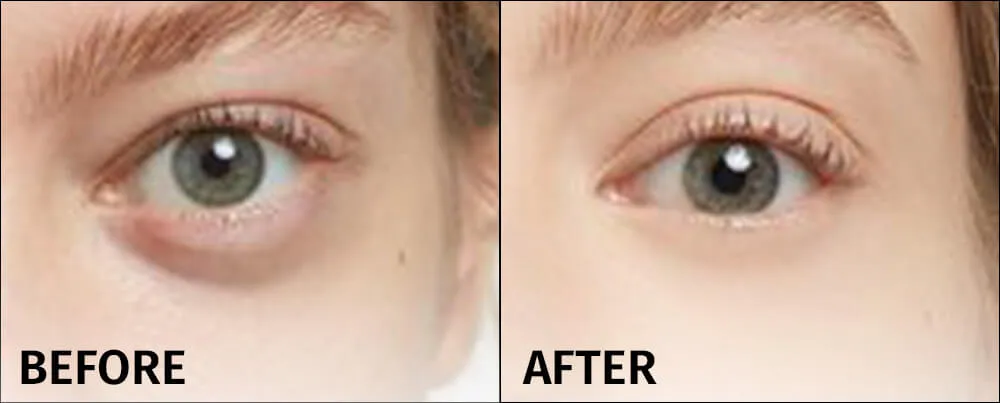
Dark lines under the eyes can be a constant problem. Vitamin K may make them look better by making the veins under the eyes stronger. This might cut down on blood flow and swelling, making you look better and more refreshed.
Promoted Wound Healing and Scar Reduction

Vitamin K can be helpful for wounds that need to heal faster and may leave fewer scars. It helps the body make collagen and stops blood loss, which speeds up the mending process.
Minimized Spider Veins
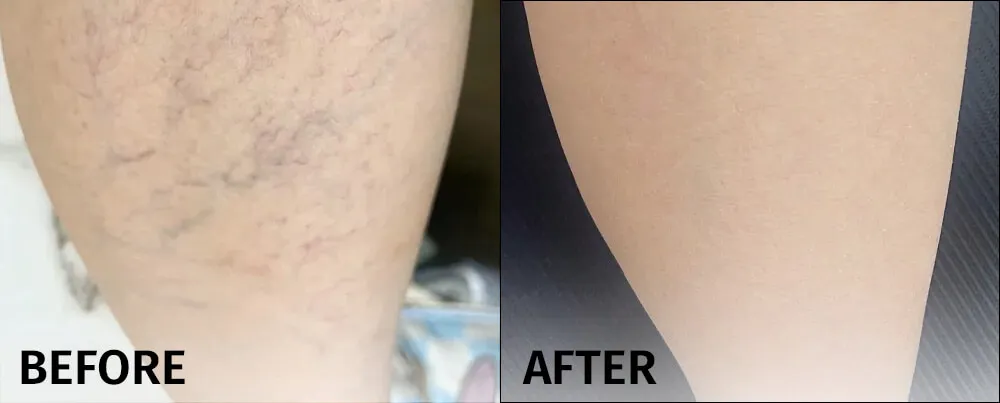
Having spider veins can be a bother. Vitamin K may also be able to help here because it helps blood clot. Vitamin K may help hide spider veins by making the walls of blood vessels stronger when they are weak.
Soothed Irritated Skin (Eczema and Rosacea)

Some studies show that the anti-inflammatory properties of vitamin K might help people with eczema and rosacea, but more research needs to be done. Because it might calm irritation, it could be a good addition to habits for people with sensitive skin.
Supported Overall Skin Health and Elasticity

Vitamin K helps make collagen, which is important for more than just treating wounds. Collagen is the main protein that gives skin its shape and strength. Vitamin K helps keep your skin looking young by encouraging the production of collagen. It may also help lessen the look of wrinkles.
Leveraging Vitamin K for Your Skincare Brand
Vitamin K is a good thing to have in any skin care line because more and more people want specific ingredients. It helps with a lot of different skin problems and makes skin healthy and glowing.
Natural Food Sources
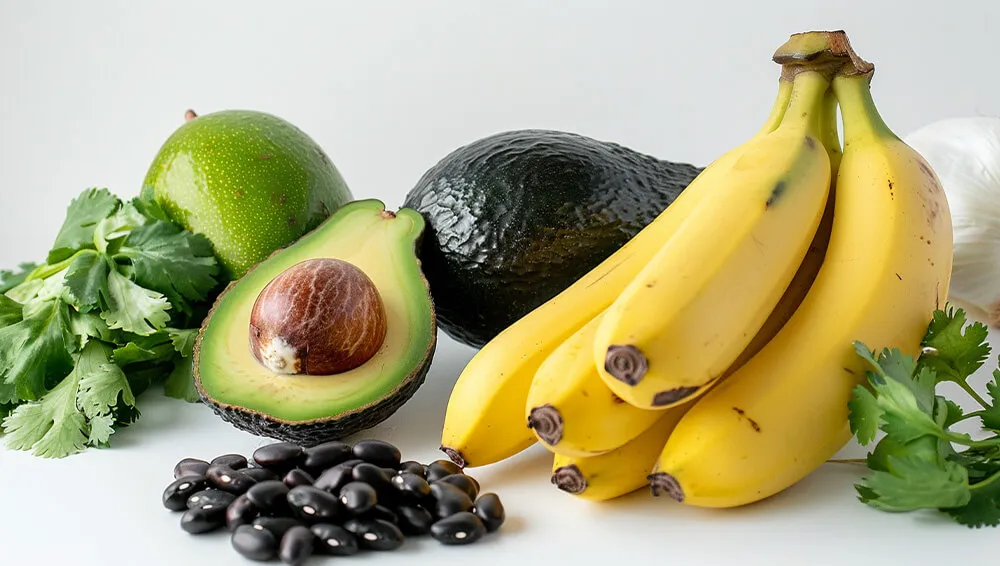
Customers’ skin health is improved from the inside out when you tell them to eat things that are high in vitamin K. These are some great sources:
Leafy Greens
Vitamin K1 is found in large amounts in kale, spinach, and collard greens. By adding them to your meals on a regular basis, you can get this important nutrient over time.
Cruciferous Vegetables
Broccoli, Brussels sprouts, and cabbage are all good for your skin and health because they are high in Vitamin K1 and many other vitamins and antioxidants.
Fermented Foods
Natto, a food made from fermented soybeans, and sauerkraut are great ways to get vitamin K2. Gut bacteria make vitamin K2 during fermentation. Eating fermented foods can help keep your gut bacteria healthy and may even raise your Vitamin K2 levels.
Topical Application

Vitamin K serums and creams are a straight way to get the vitamin to the skin for a more concentrated effect. If you put Vitamin K on your skin, it might get around some digestive problems and maybe even make its benefits stronger. Vitamin K applied to the face can help in the following ways:
Increased Absorption
When applied topically, a more concentrated dose of Vitamin K can be sent straight to the area that needs it compared to eating it. This can be especially helpful for treating certain skin problems.
Targeted Delivery
Because serums and creams can be made to target specific problems, they can be used in a more personalized way. For example, you can put a cream under your eyes that is made with Vitamin K and other ingredients that are known to get rid of dark circles.
A brand can appeal to a broader audience and their unique skin-care preferences by providing both food and skin care products that are high in Vitamin K. This method gives you a complete way to include Vitamin K in your skin care practice.
Private Labeling for Customized Skincare with Vitamin K
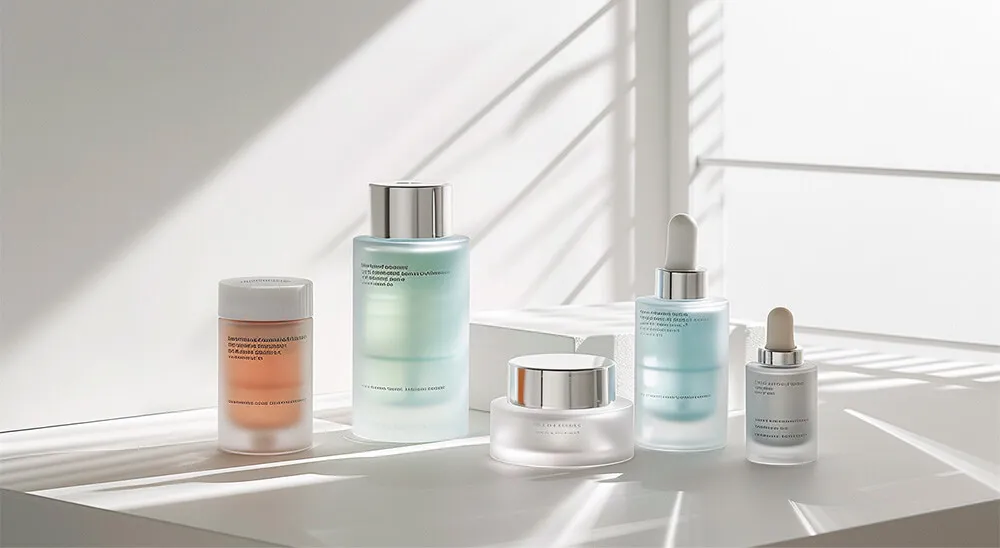
Have you ever thought about a skin care product that would meet all of your wants and preferences? With private labeling for skin care goods, this dream can come true.
What is Private Labeling?
With private labeling, as a brand, you can make your own skin care line without having to start from scratch. Working with a manufacturer who already knows how to make skincare goods and has the right equipment is what you do. This company makes a product based on your instructions, which include the ingredients, the package, and the brand name. Basically, you get a line of personalized, high-quality products without having to spend a lot of money and time developing everything yourself.

Benefits of Private Labeling with Vitamin K
When adding Vitamin K to your skin care line, private labeling gives you a number of benefits:
Customization
Make sure that your product addresses unique problems. You can pick the amount of Vitamin K that you want to use, mix it with other ingredients that work well together to solve different problems (like Vitamin C for brightening and hyaluronic acid for moisturizing), and make the package fit your brand’s style.
Faster Time to Market
Using an existing manufacturer cuts the time it takes to start your product line by a large amount. You can focus on branding, marketing, and sales while the manufacturer creates and makes the product.
Cost-Effectiveness
With private labeling, you don’t have to spend a lot of money on things like R&D, manufacturing tools, and keeping track of your inventory. It’s a cheap way to get into the skin care business because you only pay for the end product.
Reduced Risk
Working with a skilled manufacturer cuts down on the risks that come with creating and developing a product. You can use their knowledge to make sure that your product meets all quality and safety standards.
It is possible to make a one-of-a-kind and useful skin care line with Vitamin K that meets the needs of a wide range of people by using private labeling. With this method, you can give each person a unique way to get healthy, glowing skin.
Conclusion

Vitamin K is often forgotten, but it has surprising skin-boosting effects. The K1 and K2 vitamins in this group are very important. K1 helps wounds heal and makes collagen, and K2 may help with dark circles under the eyes. Leafy greens, fermented foods, or topical solutions that contain vitamin K may help reduce dark circles under the eyes, speed up wound healing, reduce spider veins, and improve the general health of your skin. Just remember that this is a broad look. Talk to a doctor to get a custom plan on how to use Vitamin K to help your skin reach its full potential.
FAQs
While Vitamin K is not typically used as a direct remedy for dark spots or hyperpigmentation, its anti-inflammatory properties may contribute to improving the appearance of skin discoloration. However, other ingredients or treatments are usually more effective for specifically targeting dark spots.
Vitamin K has shown potential benefits for aging skin. Its ability to strengthen blood vessels and reduce inflammation may help improve skin tone and reduce the appearance of fine lines and wrinkles. However, other anti-aging ingredients and practices, such as retinoids and sun protection, are generally more widely recommended.
Vitamin K’s primary role is not to tighten skin. However, its anti-inflammatory properties may indirectly contribute to improved skin elasticity and firmness by reducing inflammation and promoting overall skin health. For targeted skin tightening, other ingredients like retinol or procedures such as radiofrequency treatments may be more effective.
Vitamin K’s anti-inflammatory properties may be beneficial for individuals with acne-prone skin. By reducing inflammation, it can potentially help calm and soothe acne lesions. However, Vitamin K is not typically used as a primary or standalone treatment for acne. It’s best to consult with a dermatologist for appropriate acne management options.


