
Introduction
Feeling confused about who to turn to for skincare advice? With various options available, it can be overwhelming to choose the right skincare professional for your business needs. We’ll explain Esthetician Vs Dermatologist, making it easier for you to choose the right skincare expert for your needs. By gaining a clear understanding of these differences, you can confidently explore the skincare world. We’ll also touch on some of the latest skincare trends to help you make informed decisions for your business.
Key Takeaway
| Feature | Esthetician | Dermatologist |
| Education & Licensing | Complete 1-2 year training at beauty or vocational school, pass exam for license | Complete medical school (4 years), dermatology residency (3-4 years), pass medical licensing exam |
| Focus & Expertise | Specialize in non-invasive skincare treatments, improve skin texture and tone | Diagnose and treat various skin conditions, perform advanced procedures |
| Treatments Offered | Facials, chemical peels, microdermabrasion, recommend skincare products | Medications, injections, surgical procedures, mole removal, skin cancer treatment |
| Role in Skin Health | Focus on wellness and maintenance by using professional-grade products | Provide advanced treatments and procedures |
The Role of Estheticians
Skincare Specialists
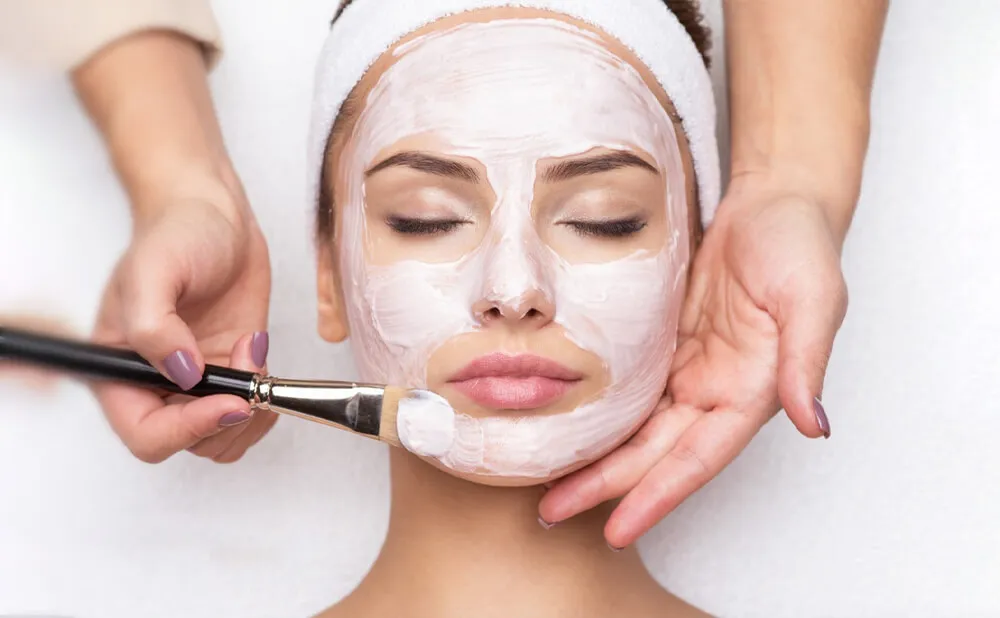
Estheticians are skincare professionals trained in non-invasive treatments. They specialize in providing various skincare services, such as facials, chemical peels, and microdermabrasion, to help clients improve their skin’s health and appearance.
Focus on Wellness and Maintenance
Estheticians are experts in helping people keep their skin healthy and looking its best. They do this by offering treatments like facials, where they cleanse and nourish the skin, and by performing extractions to remove impurities. Estheticians also give massages, which can help improve circulation and promote skin health.
One of the great things about estheticians is that they use cosmetics-grade products that are specially designed to address different skin concerns. This means they can create personalized skincare routines for each client, helping them achieve their skincare goals.
But it’s not just about the skin – estheticians also know how to help their clients relax and reduce stress. They might incorporate techniques like gentle massages or aromatherapy into their treatments, creating a soothing experience that leaves clients feeling refreshed and revitalized.
Expertise in Superficial Concerns
Estheticians are skilled in treating common skin concerns. They have the knowledge and training to provide effective solutions for several skin concerns, helping businesses offer comprehensive skincare services to their clients.
Acne Breakouts: Estheticians are trained to assess and address acne-related issues. They can recommend suitable skincare products and treatments to help manage and prevent acne breakouts, such as deep cleansing facials, chemical peels, and extractions.
Skin Brightening: Estheticians have expertise in skin brightening by improving the texture and tone of the skin. They can provide exfoliation treatments to remove dead skin cells, promote cell turnover, and reveal smoother, more even-looking skin.
Plus, they may recommend products containing ingredients like alpha hydroxy acids (AHAs) or retinol to help improve skin texture and tone over time.
Fine Lines and Wrinkles: Estheticians are knowledgeable about anti-aging skincare techniques and products. They can offer treatments such as microdermabrasion, dermaplaning, or facial massages to help minimize the appearance of fine lines and wrinkles. Estheticians may also recommend skincare products containing ingredients like peptides, antioxidants, or hyaluronic acid help to prevent moisture loss of the skin and reduce the signs of aging.
Hyperpigmentation: Estheticians are trained to address hyperpigmentation concerns, such as dark spots or uneven skin tone. They can perform chemical peels or recommend skincare products containing ingredients like vitamin C, kojic acid, or niacinamide to help brighten the skin and fade discoloration and pigmentation issues. Plus, estheticians may provide advice on sun protection to prevent further hyperpigmentation.
The Role of Dermatologists
Medical Skin Doctors
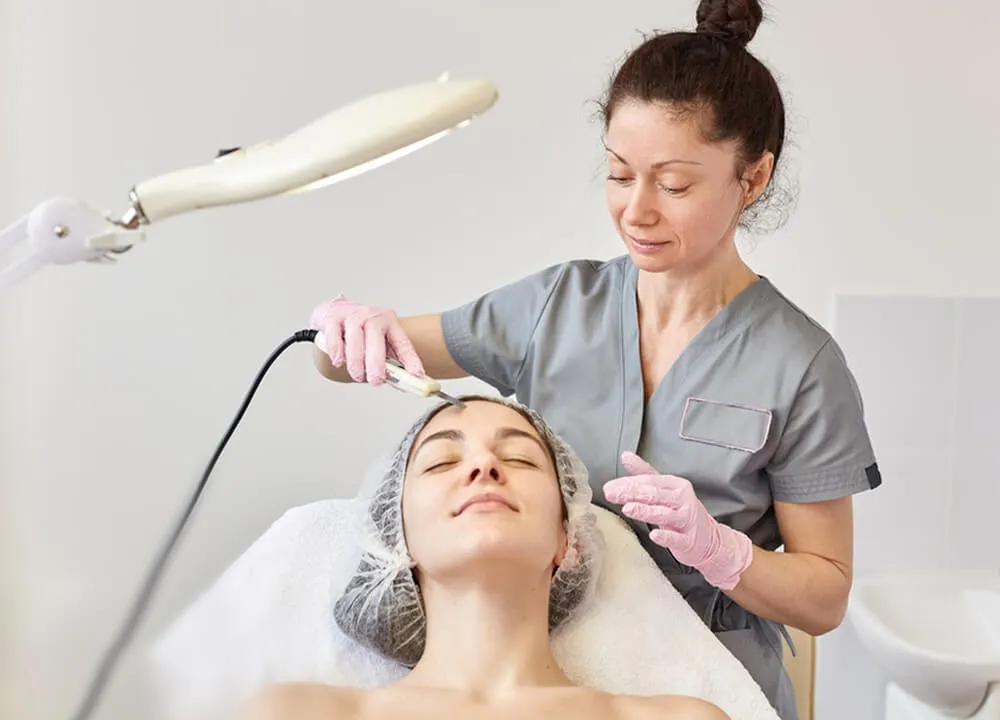
Dermatologists are highly trained medical professionals who focus on diagnosing and treating a variety of skin conditions. They have in-depth knowledge of skin anatomy, physiology, and pathology, allowing them to accurately identify and address skin concerns.
On the other hand, dermatologists are skilled in performing procedures such as biopsies, surgical excisions, and laser treatments to effectively manage skin conditions and promote skin health.
Overall, dermatologists play a crucial role in providing medical care for individuals with skin-related issues such as hyperpigmentation, and serious acne issues, and helping them achieve optimal skin health.
Advanced Training and Procedures
Dermatologists undergo extensive training to perform different treatments and procedures.
Prescription medications for skin issues
Dermatologists are trained to prescribe medications to treat common skin conditions such as acne (pimples and blackheads), eczema (itchy and inflamed skin), and psoriasis (red and scaly patches). These medications may include creams, ointments, or oral pills to help improve the skin’s health and appearance.
Injections like Botox and fillers
Dermatologists are skilled in administering injections such as Botox and fillers. Botox injections are used to reduce wrinkles and fine lines by temporarily paralyzing facial muscles.
Fillers, on the other hand, are injected beneath the skin to add volume and smooth out wrinkles, creating a more youthful appearance. Dermatologists undergo specialized training to perform these procedures safely and effectively. They commonly recommend pharmaceutical products for those skin issues.
Surgical procedures
Dermatologists are trained to perform surgical procedures to address various skin concerns. This may include removing moles or skin tags that are potentially cancerous or bothersome.
They can also perform scar revision surgeries to improve the appearance of scars caused by injuries, surgeries, or skin conditions. These surgical procedures are done with precision and care to achieve optimal results.
Diagnosis and treatment of skin cancers
Dermatologists play a crucial role in diagnosing and treating skin cancers, including melanoma, basal cell carcinoma, and squamous cell carcinoma. They use specialized techniques such as skin biopsies to examine suspicious moles or lesions and determine if they are cancerous.
If skin cancer is diagnosed, dermatologists develop personalized treatment plans, which may include surgical removal, radiation therapy, or chemotherapy. Early detection and treatment by a dermatologist can significantly improve outcomes for individuals with skin cancer.
Esthetician Vs Dermatologist
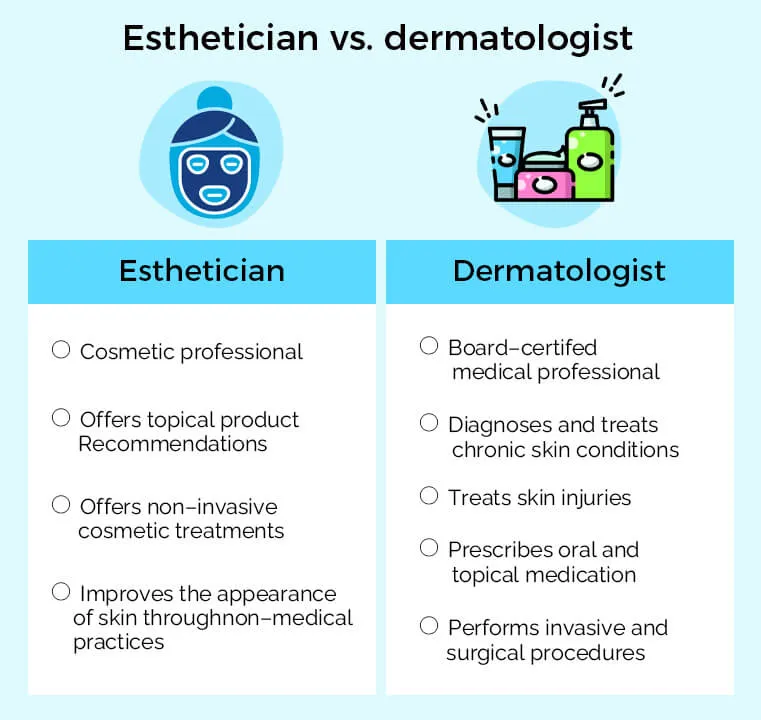
Education and Licensing
Esthetician: They usually finish a 1-2 year training program at a beauty school or vocational school. After completing their training, they need to pass an exam to get their license to work.
Their training focuses on skincare treatments and techniques, such as facials, chemical peels, and microdermabrasion to improve the health and appearance of the skin. But, they are not medical doctors and cannot diagnose or treat medical conditions.
Dermatologist: They go through extensive medical training. They first complete medical school, which typically takes about four years. After medical school, they undergo residency training in dermatology, which lasts about three to four years.
Once they finish their residency, they must pass a medical licensing exam to become licensed to practice medicine.
Dermatologists are medical doctors who specialize in diagnosing and treating skin, hair, and nail conditions. They can diagnose skin conditions like acne, eczema, and skin cancer, and prescribe medications to treat them. Dermatologists also perform medical procedures like biopsies and surgical excisions.
Focus and Expertise
Esthetician: They specialize in non-invasive skincare treatments using active skincare ingredients aimed at enhancing skin health and wellness. They offer services like facials, chemical peels, and microdermabrasion to improve skin texture, tone, and appearance.
Estheticians also provide personalized skincare advice and recommend products customized to individual skin concerns.
Dermatologist: They are medical professionals who diagnose and treat various skin conditions, ranging from acne and eczema to skin cancer. They have extensive training in dermatology and are licensed to prescribe medications and perform advanced procedures like laser therapy and surgical excisions.
Dermatologists also provide medical advice and treatment plans to manage chronic skin conditions and address complex dermatological issues.
Treatments Offered
Estheticians: They provide services like facials, where they cleanse and moisturize the skin, and perform extractions to remove impurities. They also offer superficial chemical peels to exfoliate the skin gently. Additionally, they recommend skincare products customized to their clients’ needs.
Dermatologists: They offer a broader spectrum of treatments. They can prescribe medications to treat various skin conditions such as acne, eczema, and psoriasis.
They also administer injections like Botox and fillers to address wrinkles and volume loss. Dermatologists perform surgical procedures for skin concerns such as mole removal and skin cancer treatment.
On the other hand, they specialize in diagnosing and treating skin cancers, providing comprehensive care for their patients’ skin health.
Choosing the Right Professional

Understanding Your Needs
It’s essential to identify your specific skincare needs before selecting the right professional. Whether you’re looking to deal with acne, aging, skin lightening or other concerns, understanding your client’s unique requirements will help you make an informed decision.
When to See an Esthetician
Partnering with estheticians allows you to enhance your skincare offerings and provide clients with customized solutions to meet their individual needs and preferences.
Relaxation and Pampering Experiences
Estheticians excel at creating soothing and indulgent skincare treatments that provide clients with a sense of relaxation and rejuvenation.
Maintaining Healthy, Glowing Skin
Estheticians are experts in skincare maintenance and can provide clients with personalized routines and treatments using cosmeceuticals to keep their skin looking its best.
Addressing Skincare Concerns
Estheticians are skilled at addressing a wide range of skincare concerns, including acne, hyperpigmentation, and fine lines. While they may not be able to provide medical treatments, estheticians can offer effective solutions for mild to moderate skincare issues using the best skincare ingredients through customized skincare products and non-invasive treatments.
When to See a Dermatologist
Partnering with dermatologists allows skin care professionals to provide comprehensive care to their clients, ensuring they receive the appropriate treatments and interventions for their specific skincare needs.
Severe skin conditions
Dermatologists are experts in diagnosing and treating complex skin conditions that may require specialized medical attention.
Skin infections or growths needing diagnosis
Dermatologists can accurately diagnose and provide treatment plans for various skin infections or suspicious growths, ensuring proper management and care.
Extensive sun damage or precancerous lesions
Dermatologists can assess and address significant sun damage or precancerous lesions, providing interventions to prevent further damage and reduce the risk of skin cancer.
Cosmetic procedures needing medical supervision
Dermatologists are trained to perform cosmetic procedures safely and effectively, ensuring optimal results while minimizing risks and complications.
Building a Skincare Team
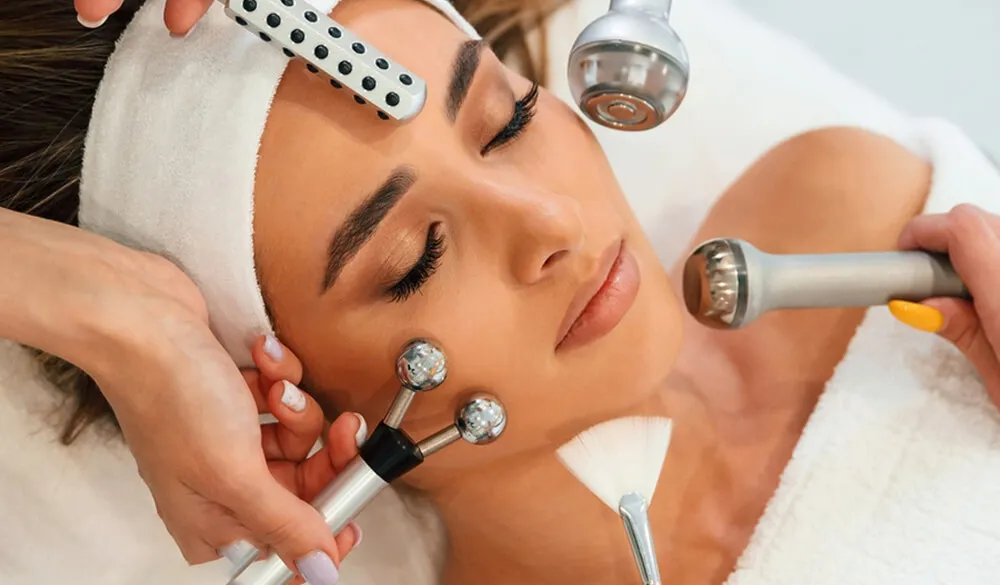
Estheticians and Dermatologists Working Together
Estheticians and dermatologists can team up to provide a comprehensive skincare approach for their clients. Estheticians, with their expertise in skincare treatments and products, can work closely with dermatologists, who diagnose and treat skin conditions. By combining their knowledge and skills, they can develop personalized skincare plans customized to each client’s needs.
This collaborative approach is not just about treatments, it’s about building trust and giving amazing results. It’s a great marketing approach to bring in clients who want the best skincare.
Partnering with us for Success
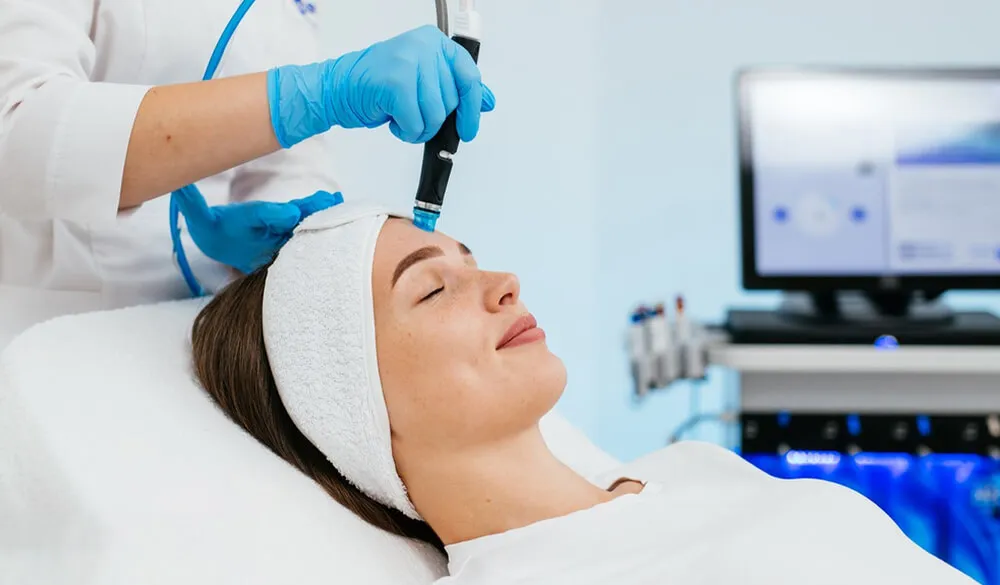
Enhance your Services
By teaming up with a skincare manufacturer like us, you can make your esthetician services even better. We’ll help you offer a wider range of skincare products to meet the needs of different clients. From anti-aging serums to cleansers for controlling acne, our professional-grade products will complement your treatments and give your clients great results.
Customized Solutions
With our help, you can create skincare products that are customized to each client’s specific needs. This means you can offer personalized solutions for things like dry skin, acne, or wrinkles. Our private-label skincare options allow you to provide personalized care by custom formulating that’s perfect for every client.

Building Long-Term Client Relationships
When you offer your own skincare products line alongside your treatments, you’re showing your clients that you care about their skin health in the long run. By providing effective solutions that support your services, you’ll earn your clients’ trust and keep them coming back for more.
FAQ Section
Dermatologists specialize in diagnosing and treating various skin conditions and diseases. While they can provide medical treatments and recommendations to improve the health and appearance of your skin, achieving “perfect” skin may depend on factors such as individual skin type, genetics, lifestyle habits, and skincare routine.
Dermatologists can offer valuable insights and personalized treatment plans to address your specific skin concerns and help you achieve healthier skin.
Estheticians are skincare professionals trained and licensed to provide a range of skincare treatments and services. They specialize in improving and maintaining the health and appearance of the skin through non-medical skincare treatments such as facials, chemical peels, and microdermabrasion.
Seeing an esthetician can be worth it for individuals looking to address specific skincare concerns, maintain healthy skin, or indulge in pampering skincare treatments tailored to their needs and preferences.
Yes, Estheticians can offer skincare treatments and recommendations to help manage acne and improve the overall condition of the skin. While they cannot prescribe medication or perform medical procedures, estheticians can provide acne facials, chemical peels, and other non-invasive treatments aimed at reducing acne breakouts, minimizing inflammation, and promoting clearer, healthier skin.
Estheticians can also offer guidance on proper skincare routines and product recommendations to support acne-prone skin. However, if acne is severe or persistent, it is advisable to consult a dermatologist for specialized treatment options and medical intervention.