

Introduction
Clogged pores are a common issue that can lead to blackheads, whiteheads, and breakouts. Keeping pores clear is essential for maintaining healthy, smooth skin. Using the best ingredients for acne care can make a significant difference in managing breakouts and keeping skin clear. This guide provides effective tips on How To Unclog Pores and offers insights for those looking to create a cosmetic store focused on clear skin solutions.
Understanding Clogged Pores
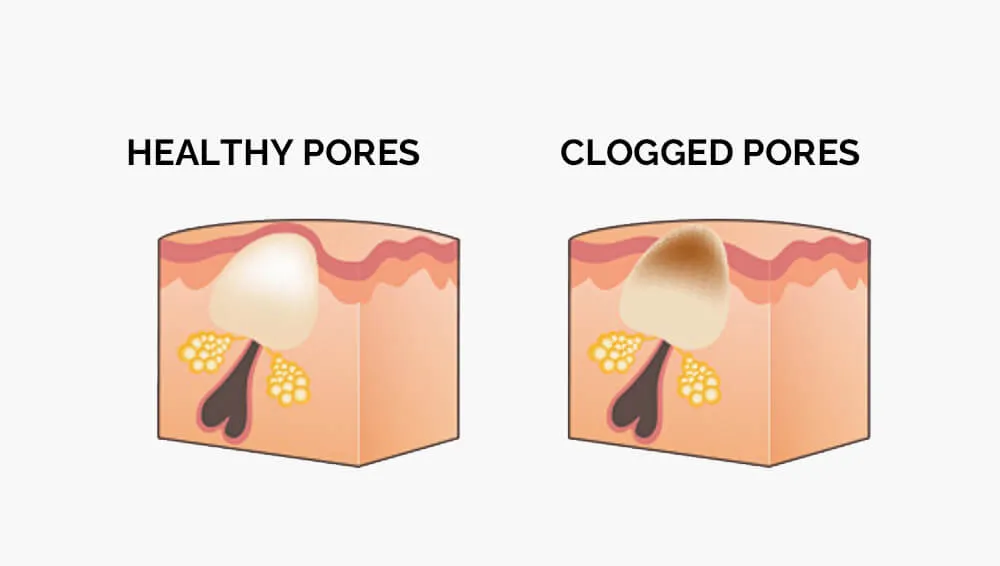
Introduction about Clogged Pores
Clogged pores are a common skin issue that occurs when pores, the small openings on the skin’s surface, become blocked by oil, dead skin cells, dirt, or other impurities. Each pore contains a hair follicle and a sebaceous (oil) gland that produces sebum, a natural oil that keeps the skin moisturized. When the pore becomes blocked, it traps this oil and other substances inside, leading to a buildup that can result in blemishes or blackheads.
The formation of clogged pores begins with the natural production of sebum by the skin’s sebaceous glands. This oil moves up through the pores to protect and hydrate the skin. However, when there’s an excess of sebum, combined with dead skin cells that are not properly shed, these elements can clog the pore. Additionally, external factors like makeup, sweat, and environmental pollutants can accumulate on the skin’s surface, contributing to blockages.
Common Causes of Clogged Pores

Clogged pores occur when substances like oil, dead skin cells, and bacteria build up within the skin’s pores, leading to blockages. These blockages are often linked to several factors:
- Excess Oil Production: The skin naturally produces an oily substance called sebum, which keeps it hydrated and protected. However, when the skin produces too much sebum, this oil can mix with other materials and clog the pores, often leading to pimples or blackheads.
- Dead Skin Cells: The skin constantly sheds dead cells, which can accumulate on the surface. When these cells aren’t properly removed, they can settle into the pores and mix with sebum, forming blockages.
- Bacteria: Bacteria, especially Propionibacterium acnes, thrive in clogged pores. Once trapped in the pore, bacteria can multiply, leading to inflammation, irritation, and acne.
- Hormonal Changes: Hormonal fluctuations, common during puberty, menstruation, or stress, can increase sebum production and make skin more prone to clogged pores. These hormonal shifts are a major reason why acne is prevalent during teenage years and can also affect adults.
- Environmental Pollutants: Dust, dirt, and other pollutants in the environment can settle on the skin, mixing with oil and other debris to block pores.
- Makeup and Skincare Products: Heavy or comedogenic (pore-clogging) makeup and skincare products can sit on the skin’s surface, blocking pores if not thoroughly cleansed.
- Diet and Lifestyle Factors: A diet high in sugar and dairy, or stress, can also influence oil production and may contribute to pore congestion.
Understanding these common causes of clogged pores is essential in skincare, as it helps in developing effective routines and products that address each factor.
Impact of Clogged Pores on Skin
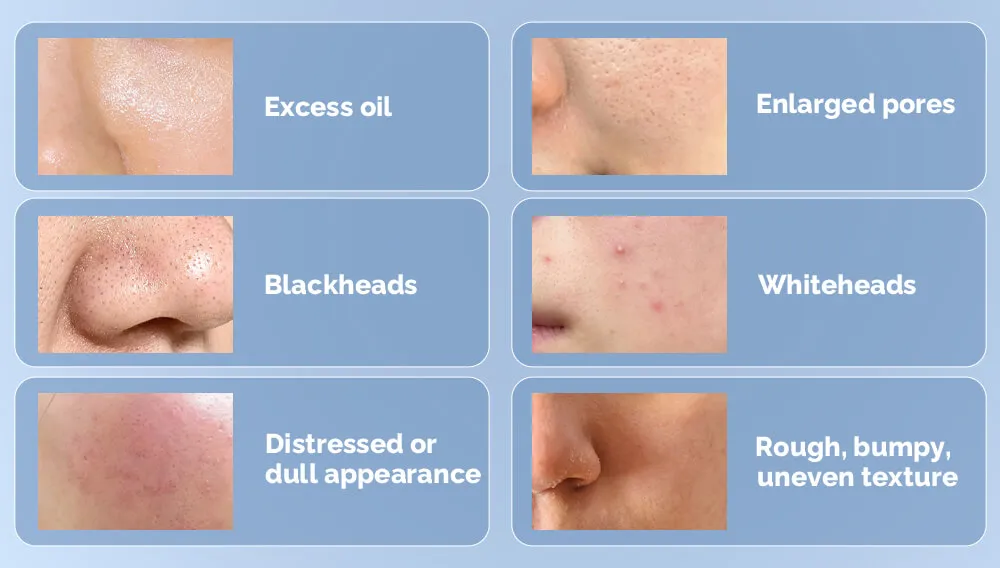
Clogged pores can lead to a range of skin issues that affect both appearance and skin health. When pores become blocked with oil, dead skin cells, and other impurities, it creates a favorable environment for acne-causing bacteria. This can result in acne breakouts, with pimples or cysts appearing on the skin.
Clogged pores are also a main cause of blackheads and whiteheads. Blackheads occur when a pore is partially blocked, allowing the trapped material to oxidize and turn dark. Whiteheads, on the other hand, develop when a pore is completely blocked, causing a small white bump on the skin.
A buildup in the pores can also lead to a dull and uneven skin tone. When impurities stay trapped within the skin, it often looks less radiant and more textured, making the complexion appear lackluster.
Additionally, clogged pores increase the risk of inflammation. The trapped material within the pores can irritate the skin, causing redness and swelling. If untreated, this inflammation may lead to more severe skin issues over time. Addressing clogged pores regularly through proper skin care can help prevent these impacts and promote healthier, clearer skin.
Clogging pores ingredients
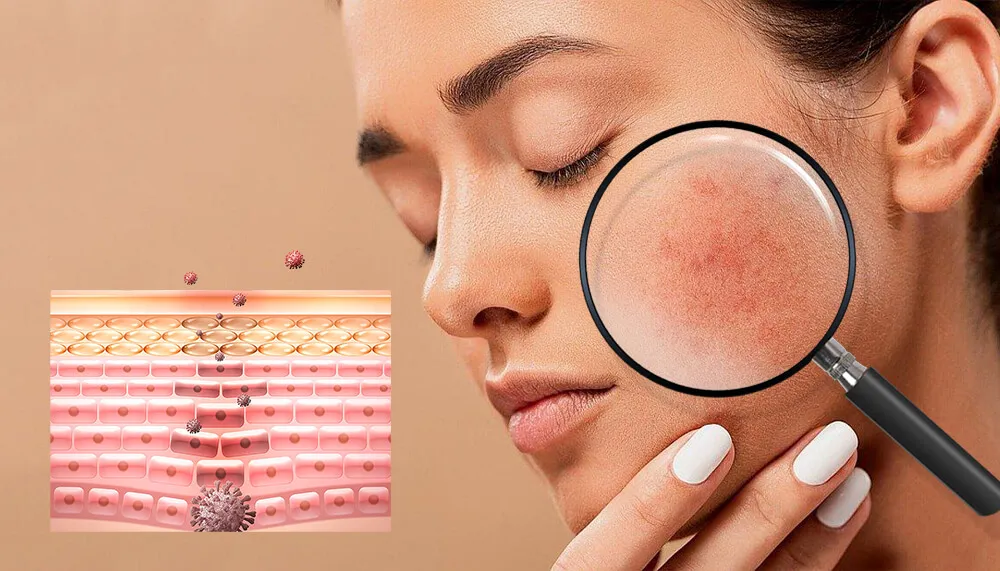
In skincare, certain ingredients are more likely to clog pores, which can lead to acne, blackheads, and dull-looking skin. Ingredients that clog pores tend to be heavier or oil-based, making it harder for the skin to breathe. Recognizing these ingredients is essential for maintaining clear skin and preventing future breakouts.
Understanding these pore-clogging ingredients helps consumers make better choices, especially those with oily or acne-prone skin. Skincare products labeled as “non-comedogenic” are less likely to contain such ingredients, making them a safer choice for clear, healthy skin.

Here are some ingredients that are often known to cause clogging
- Acetylated Lanolin
- Acetylated Lanolin Alcohol
- Algae Extract
- Algin
- Butyl Stearate
- Carrageenan
- Cetyl Acetate
- Cetearyl Alcohol + Ceteareth 20
- Chondrus Crispus
- (aka Irish Moss or Carageenan Moss)
- Chlorella
- Coal Tar
- Cocoa Butter
- Coconut Alkanes
- Coconut Butter
- Coconut Oil
- Colloidal Sulfur
- Cotton Seed Oil
- D & C Red # 17
- D & C Red # 21
- D & C Red # 3
- D & C Red # 30
- D & C Red # 36
- Decyl Oleate
- Dioctyl Succinate
- Disodium Monooleamido
- PEG 2- Sulfosuccinate
- Ethoxylated Lanolin
- Ethylhexyl Palmitate
- Glyceryl Stearate SE
- Glyceryl-3 Diisostearate
- Hexadecyl Alcohol
- Hydrogenated Vegetable Oil
- Isocetyl Alcohol
- Isocetyl Stearate
- Isodecyl Oleate
- Isopropyl Isostearate
- Isopropyl Linolate
- Isopropyl Myristate
- Isopropyl Palmitate
- Isostearyl Isostearate
- Isostearyl Neopentanoate
- Kelp
- Laminaria Digitata Extract
- Laminaria Saccharina
- Extract
- (Laminaria Saccharine)
- Laureth-23
- Laureth-4
- Lauric Acid
- Mink Oil
- Myristic Acid
- Myristyl Lactate
- Myristyl Myristate
- Octyl Palmitate
- Octyl Stearate
- Oleth-3
- Oleyl Alcohol
- PEG 16 Lanolin
- PEG 200 Dilaurate
- PEG 8 Stearate
- PG Monostearate
- PPG 2 Myristyl Propionate
- Wheat Germ Glyceride
- Wheat Germ Oil
- Xylene
- Plankton
- Polyglyceryl-3
- Diisostearate
- Potassium Chloride
- Propylene Glycol Monostearate
- Red Algae
- Seaweed
- Shark Liver Oil (Squalene)
- Shea Butter
- Sodium Laureth Sulfate
- Sodium Lauryl Sulfate
- Solulan 16
- Sorbitan Oleate
- Soybean Oil (Glycine Soja)
- Spirulina
- Steareth 10
- Stearic Acid Tea
- Stearyl Heptanoate
- Sulfated Castor Oil
- Sulfated Jojoba Oil
How to Unclog Pores

Analyse the Skin
Understanding how to unclog pores effectively begins with a close analysis of the skin. Different factors—such as age group, gender, and skin type—play a role in determining the best approach for each person. Skin changes with age; younger skin may produce more oil, which can lead to clogged pores, while mature skin may face concerns like dryness and reduced elasticity that affect how to clear your pores effectively. Gender can also influence skin characteristics, as men’s skin is often thicker and oilier than women’s, which requires tailored methods in pore care.
Specific skin concerns, such as sensitivity, acne, or dehydration, are also important when learning how to unclog pores. For example, sensitive skin may benefit from gentler exfoliants, while acne-prone skin might need products designed to control oil production and target bacteria. By analyzing these unique skin characteristics, the best strategies for pore clearing can be developed, leading to cleaner, healthier skin.
Analyse Skincare Solutions
Learning how to unclog pores effectively is essential for achieving clearer skin, as clogged pores can lead to breakouts, blackheads, and other skin issues. Today, there are many skincare ingredients and formulations designed specifically to help keep pores clean. Here are some popular ingredients, along with emerging trends in skincare technology that can show how to clear your pores more effectively.
Popular Ingredients and Formulations
Certain ingredients are well-known for their ability to penetrate deep into pores and clear out impurities. Salicylic acid, a beta-hydroxy acid (BHA), is widely recognized as one of the best ingredients for unclogging pores, as it can dissolve the buildup of dead skin cells and excess oils within the pore lining. Glycolic acid and lactic acid, both alpha-hydroxy acids (AHAs), are also effective, gently exfoliating the skin’s surface to remove dead cells that may contribute to clogged pores. Activated charcoal and clay masks are popular for their ability to draw out impurities and absorb excess oils, providing a quick way to clarify the skin.
Emerging Trends in Skincare Technology
Innovations in skin care technology are continually offering new ways to address how to clear your pores. Devices like ultrasonic pore cleaners and exfoliating brushes have become popular for at-home use. Ultrasonic technology, for example, uses gentle vibrations to help dislodge dirt and oil from pores without irritating the skin. Another trend is the use of microbiome-friendly formulations, which promote healthy bacteria on the skin’s surface, helping to maintain a balanced environment that discourages pore congestion. In addition, light therapy, particularly blue light, is gaining traction for its ability to reduce the presence of bacteria in the pores, leading to a cleaner, clearer complexion.
By understanding these effective ingredients and the latest trends in skincare, it’s possible to approach how to unclog pores with more targeted and innovative solutions, creating routines that help keep skin clear, healthy, and well-balanced.
Cleanse Regularly
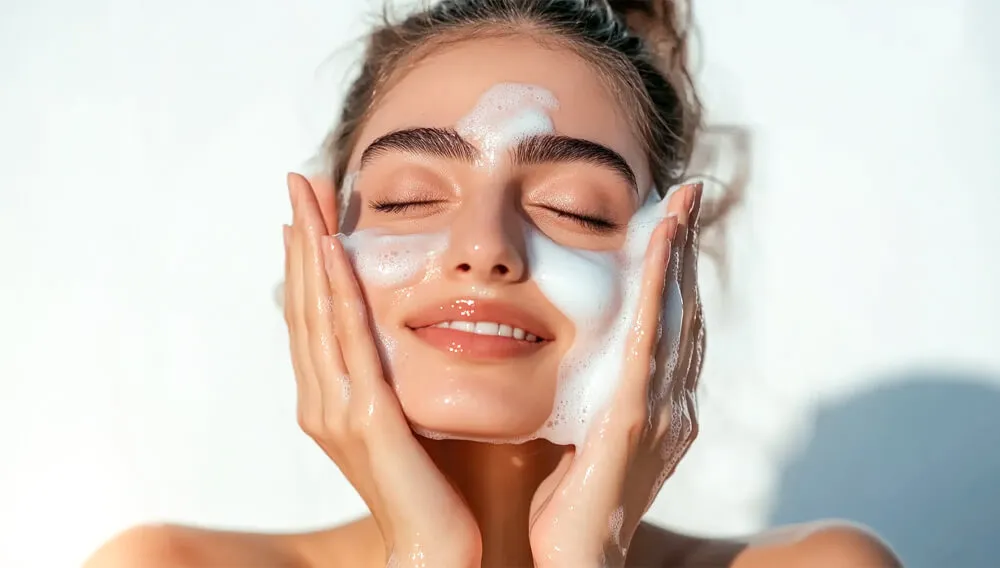
Regular cleansing is essential for keeping pores clear and preventing buildup. For those learning how to unclog pores, a gentle cleanser is key. Harsh cleansers can strip the skin’s natural oils, leading to irritation and more oil production, which can make clogged pores worse. Using a mild, effective cleanser helps to clear away dirt, oil, and impurities without damaging the skin’s barrier.
Establishing a twice-daily cleansing routine, once in the morning and once at night, is another crucial step in how to clear your pores. Morning cleansing removes oils that build up overnight, while evening cleansing clears away pollutants, makeup, and excess oil from the day. This regular cleansing routine is an essential foundation for achieving and maintaining clear pores, promoting healthier-looking skin.
Exfoliate Gently
A key part of understanding how to unclog pores is gentle exfoliation, which helps to remove dead skin cells and other debris that can build up on the skin’s surface and block pores. Both physical and chemical exfoliants are beneficial, but each works differently.
Physical exfoliants contain small grains or particles that physically scrub the skin, removing surface impurities and revealing fresh skin underneath. However, they should be used carefully to avoid irritation, especially on sensitive skin types.
Chemical exfoliants use active ingredients like alpha hydroxy acids (AHAs) or beta hydroxy acids (BHAs) to dissolve dead skin cells and excess oil. These exfoliants can penetrate deeper into the pores, making them particularly effective for those struggling with clogged pores.
Finding the right frequency for exfoliation is also essential to avoid over-exfoliating, which can cause dryness or irritation. For most skin types, exfoliating once or twice a week is ideal, but individuals with oily or acne-prone skin may benefit from more frequent but gentle exfoliation. By incorporating the right type of exfoliation and adjusting the frequency as needed, how to unclog pores becomes easier and more effective, helping to keep the skin clean, smooth, and free from buildup.
Moisturize Daily

Moisturizing daily plays a crucial role in maintaining healthy, clear skin, especially when considering how to unclog pores. Hydration is essential because well-moisturized skin helps to balance natural oil production. When the skin is dry, it can actually produce more oil, leading to clogged pores and potential breakouts.
Choosing the right moisturizer is also important in unclogging pores. For best results, oil-free or non-comedogenic (pore-friendly) moisturizers are ideal because they hydrate without adding extra oils that can block pores. Moisturizers with lightweight, water-based formulas or ingredients like hyaluronic acid are great options as they deeply hydrate while keeping pores clear. By moisturizing daily with the right products, skin stays hydrated, balanced, and less prone to pore blockages.
Consider a Clay Mask
Clay masks are a great option for anyone looking to unclog pores. These masks work by absorbing excess oil from the skin, which is often a main cause of clogged pores. Clay has natural properties that help draw out impurities, dirt, and excess oil from deep within the pores. This makes the skin look clearer and fresher, helping to reduce the chances of breakouts and blackheads.
When it comes to using clay masks, the frequency of use can depend on individual skin needs. For most people, using a clay mask once or twice a week is enough to see benefits without over-drying the skin. Those with oily skin may use it more often, while those with dry or sensitive skin should limit use to avoid irritation. Regularly using clay masks as part of a skincare routine is an effective way to manage how to unclog pores and maintain healthier skin.
Use Non-Comedogenic Products

When it comes to How to Unclog Pores, choosing non-comedogenic products is an important step. Non-comedogenic means that the product is specifically designed not to clog pores, which can lead to breakouts and other skin problems. These products are ideal for people with oily or acne-prone skin because they allow the skin to breathe and help keep pores clear.
Understanding Non-Comedogenic Labels
Non-comedogenic products are often labeled as such, indicating they have been tested and proven not to block pores. These products are made with ingredients that do not contribute to the buildup of sebum, dead skin cells, or other substances that can clog pores. By selecting skincare and makeup products with non-comedogenic labels, it’s easier to maintain clear, healthy skin and avoid issues related to clogged pores.
Avoiding Pore-Clogging Ingredients
To effectively understand How to Unclog Pores, it’s crucial to avoid pore-clogging ingredients. Some common ingredients in beauty products, such as heavy oils and certain silicones, can easily block pores and contribute to acne formation. Non-comedogenic products are formulated with lighter, skin-friendly ingredients like salicylic acid, which can help exfoliate and keep pores clear without causing further blockages.
By choosing non-comedogenic skincare and makeup, individuals can help maintain clear pores and prevent the issues caused by clogged pores, ultimately supporting healthier skin.
Face Steaming

Face steaming is an effective method for how to unclog pores. The warm steam helps to open up the pores, making it easier to remove dirt, oil, and impurities that may be trapped inside. However, it is important to use the right temperature and avoid excessive heat, as this can cause irritation or damage to the skin.
To steam the face safely, it is recommended to hold the face over a bowl of hot water or use a facial steamer for about 5-10 minutes. The heat will soften any blockages in the pores, allowing them to be cleaned more effectively. After steaming, it is important to follow up with a gentle cleanser to remove any loosened impurities and hydrate the skin. Regular face steaming can be a helpful part of a skincare routine to maintain clear skin and unclog pores.
Use Pore Strips
Pore strips are a popular option for removing blackheads and helping to unclog pores. They are adhesive strips that stick to the skin, and when removed, they pull out dirt, oil, and impurities from the pores. These strips can provide a quick and visible result by removing surface-level buildup, making the skin appear clearer.
However, it is important to use pore strips sparingly. Overuse can lead to skin irritation or cause the pores to become enlarged. It’s best to use them occasionally as part of a larger skincare routine focused on how to unclog pores in a safe and gentle way. Regular cleaning, exfoliating, and moisturizing will provide better long-term results for healthier skin.
Lifestyle Factors

The health of the skin is not only affected by the products used but also by various lifestyle factors. Diet, stress, and sleep all play important roles in how the skin behaves, including pore clogging. Understanding these factors and making simple lifestyle changes can help improve skin health and contribute to unclogging pores.
Diet: Eating a balanced diet rich in fruits, vegetables, and healthy fats can have a positive effect on the skin. Foods high in antioxidants, such as berries and leafy greens, can help protect the skin and prevent inflammation. Additionally, drinking plenty of water keeps the skin hydrated and supports its natural detoxification processes. On the other hand, consuming too much sugar or greasy food can increase oil production, leading to clogged pores. Reducing processed foods and sugary drinks can help maintain clearer skin and reduce the risk of blocked pores.
Stress: High stress levels can trigger the release of hormones like cortisol, which can increase oil production and contribute to clogged pores. Managing stress through practices like meditation, deep breathing exercises, or regular physical activity can help keep cortisol levels in check, promoting healthier skin. A relaxed mind can lead to a more balanced body, including clearer skin.
Sleep: Getting enough quality sleep is essential for skin repair and regeneration. During sleep, the body works to repair skin cells and remove toxins, which is crucial for unclogging pores. Lack of sleep can lead to an imbalance in the skin, causing it to become more prone to breakouts and clogged pores. Aiming for 7-9 hours of sleep each night can help maintain healthy skin and support the skin’s natural ability to clear itself.
By focusing on a healthy diet, managing stress, and getting enough rest, it’s possible to support skin health and work towards unclogging pores. These lifestyle factors, along with the right skincare routine, can make a significant difference in achieving clearer, healthier skin.
Key Ingredients for Unclogging Pores

Salicylic Acid
Salicylic Acid is a popular ingredient often used in skin care products designed to help unclog pores. It works by penetrating deep into the skin to dissolve the buildup of dead skin cells and excess oil that can block pores. This helps to clear the pores, preventing acne and blackheads.
Salicylic acid also has anti-inflammatory properties, meaning it can reduce redness and swelling in the skin, making it ideal for treating inflamed pimples or acne. By breaking down the debris inside the pores and reducing inflammation, salicylic acid promotes a smoother, clearer complexion.
This ingredient is especially effective for people with oily or acne-prone skin, as it can help manage excess sebum production and keep the pores from becoming clogged in the first place. Using products with salicylic acid can be an important step in a routine for those looking for solutions on how to unclog pores and achieve healthier skin.
Alpha Hydroxy Acids (AHAs)
Alpha hydroxyl acids (AHAs) are a group of water-soluble acids that are commonly used in skincare products for their exfoliating properties. They are derived from natural sources such as fruits, milk, and sugar cane. AHAs work by gently removing dead skin cells from the surface, which can help prevent the buildup of dead skin and debris that often lead to clogged pores. By promoting skin cell turnover, AHAs reveal fresher, smoother skin and help in the process of How To Unclog Pores.
The exfoliating action of AHAs helps clear out the pores, allowing them to breathe and reducing the likelihood of breakouts. Regular use of AHAs can help reduce the appearance of blackheads and whiteheads, which form when pores become clogged with oil, dirt, and dead skin. They also improve skin texture and promote a more even skin tone.
Incorporating AHAs into a skincare routine can be an effective way to address clogged pores and maintain clearer skin. However, it’s important to start slowly with AHAs, as overuse can cause irritation or sensitivity.
Retinol
Retinol is a powerful ingredient widely used in skincare, especially for its ability to help unclog pores and reduce acne. It is a form of vitamin A that works by speeding up cell turnover, meaning it helps the skin shed old, dead skin cells more quickly. This is important because when dead skin cells build up, they can mix with oil and block pores, leading to acne and blackheads.
By increasing the skin’s natural exfoliation process, retinol prevents this buildup and helps keep the pores clear. This can result in smoother skin with fewer breakouts and a reduced appearance of clogged pores. Additionally, retinol can also reduce the size of pores over time by encouraging the skin to regenerate and stay healthy.
For those wondering how to unclog pores, incorporating retinol into a skincare routine can be an effective way to maintain clean and clear skin. However, it’s important to use it gradually, as it can cause irritation if introduced too quickly. It is best to start with lower concentrations and apply it at night since retinol can make the skin more sensitive to sunlight.
Natural Ingredients
When it comes to How To Unclog Pores, natural ingredients are often preferred for their ability to deeply cleanse the skin without causing irritation. Some of the most effective natural ingredients for unclogging pores include activated charcoal, green tea, and tea tree oil. Each of these ingredients offers unique benefits that help maintain clear skin.
Activated Charcoal: Activated charcoal is known for its powerful ability to absorb impurities and toxins from the skin. When used in skincare products, it helps draw out dirt, oil, and other debris that can clog pores. By attracting and binding to these impurities, activated charcoal helps to purify the skin and reduce the likelihood of pore blockages. This ingredient is particularly effective for individuals with oily or acne-prone skin.
Green Tea: Green tea is rich in antioxidants, which help protect the skin from free radical damage and inflammation. It also has natural anti-inflammatory properties that can soothe the skin while reducing swelling and redness caused by clogged pores. The polyphenols in green tea also help regulate oil production, preventing excess sebum from accumulating in the pores and contributing to blockages.
Tea Tree Oil: Tea tree oil is a well-known natural remedy for acne due to its antibacterial and anti-inflammatory properties. It helps to clear the skin by killing acne-causing bacteria that may thrive inside clogged pores. Tea tree oil also helps to reduce redness and swelling, which can occur when pores are blocked. Its antimicrobial action ensures that pores remain clear, preventing future breakouts.
Incorporating these natural ingredients into a skincare routine can be a gentle and effective way of How To Unclog Pores, promoting healthier, clearer skin. These ingredients not only cleanse and purify the skin but also help maintain a balanced complexion without the harsh chemicals often found in traditional skincare products.
Formulating Effective Skincare Products

Creating Balanced Formulations
In skincare, creating balanced formulations is key to achieving the best results. This means carefully combining different ingredients that work well together to address specific skin concerns. When developing products, it’s important to understand how various ingredients interact with each other and the skin to provide the desired outcome.
For example, to effectively unclog pores, a formulation may include exfoliating ingredients like salicylic acid, which helps break down the buildup of oils and dead skin cells that can cause blockages. Combining this with soothing ingredients like aloe vera or chamomile can help prevent irritation.
A balanced formula ensures that no single ingredient overpowers another, creating a harmonious effect that is both safe and effective. It’s also important to consider the skin type being targeted, whether it’s oily, dry, or sensitive skin and select ingredients accordingly.
Selecting the Right Concentrations
When formulating effective skincare products, selecting the right concentrations of active ingredients is crucial for ensuring the product works effectively without causing irritation or harm to the skin. Active ingredients are the key components that provide benefits, such as fighting acne, reducing wrinkles, or moisturizing the skin.
For example, when creating products aimed at How To Unclog Pores, ingredients like salicylic acid or niacinamide are often used. However, it’s important to use the right concentration to achieve the desired results. Too high a concentration may cause irritation, especially for sensitive skin, while too low a concentration may not be effective in addressing the concern.
The right concentration depends on the skin type and the specific concern being treated. For How To Unclog Pores, it’s recommended to use salicylic acid at concentrations of 0.5% to 2%, which is effective for breaking down the buildup inside the pores without causing damage to the skin. On the other hand, ingredients like retinol, when used for reducing wrinkles or promoting cell turnover, should also be used in appropriate amounts to avoid potential side effects like dryness or irritation.
Ensuring Active Ingredient Compatibility
Ensuring ingredient compatibility is crucial when formulating effective skincare products, especially for addressing skin concerns like clogged pores. In skincare, some ingredients can work well together to enhance the product’s effectiveness, while others may counteract or irritate the skin when combined.
For example, when creating products to help with How To Unclog Pores, certain ingredients like salicylic acid and niacinamide can work together to provide deep cleansing and reduce inflammation. Salicylic acid helps to exfoliate the skin and clear out blocked pores, while niacinamide can soothe the skin and reduce redness. When these ingredients are used together, they complement each other, creating a balanced formula that effectively targets clogged pores without causing irritation.
On the other hand, some combinations, such as mixing strong acids with retinoids or vitamin C, can cause irritation or sensitivity, which may not be suitable for all skin types. Therefore, understanding how ingredients interact helps create products that are both effective and safe.
Formulating skincare products with compatible ingredients ensures that the product delivers its intended benefits, like How To Unclog Pores, while minimizing the risk of side effects. This careful selection of ingredients helps brands meet consumer needs while maintaining skin health.
Types of Skincare Products for Unclogging Pores

To understand How To Unclog Pores, it’s helpful to explore different types of skincare products designed to deeply cleanse, exfoliate, and nourish the skin, leaving it fresh and clear.
Cleansers
Gentle cleansers are the first step in How To Unclog Pores. These products remove dirt, oil, and makeup without stripping the skin of its natural moisture, keeping it balanced and free from irritation.
Exfoliants
Exfoliants play a crucial role in How To Unclog Pores by removing dead skin cells that can block pores. Both physical exfoliants, like scrubs, and chemical exfoliants, like those containing AHAs or BHAs, gently clear away surface buildup for smoother, clearer skin.
Moisturizers
Hydrating moisturizers are essential for healthy, unclogged pores. Well-moisturized skin is less likely to overproduce oil, which can lead to clogged pores. Lightweight moisturizers help prevent dryness and keep the skin barrier strong, supporting long-term skin health.
Toners
Alcohol-free toners help balance the skin’s pH while preparing it for other treatments. Using a toner is another helpful step in How To Unclog Pores, as it can gently remove any lingering impurities and provide a refreshing base for the next steps in the skincare routine.
Serums
Serums with active ingredients, like niacinamide or salicylic acid, are highly effective in targeting pore issues. These concentrated treatments can deeply penetrate the skin, directly working to clear and minimize the appearance of pores.
Clay Masks
Clay masks are an effective solution for How To Unclog Pores because they absorb excess oil and draw out impurities from deep within the skin. Using a clay mask regularly can help prevent pore blockages, leaving the skin looking refreshed and revitalized.
Each of these products contributes to a well-rounded skincare routine for maintaining clean, clear pores and supporting overall skin health.
Crafting Your Skincare Line with Us

Customized Formulations
Our company excels in crafting skincare solutions tailored to unique skin types and concerns, including products specifically designed to address issues like how to unclog pores. Whether it’s oily, dry, or sensitive skin, our custom formulations ensure each product works effectively to clear pores, reduce buildup, and enhance skin health.
High-Quality Ingredients
We prioritize using safe, effective, and high-quality ingredients in all formulations. With a focus on natural extracts and clinically backed actives, each ingredient is selected to help improve skin texture, clarity, and health. When addressing how to unclog pores, we incorporate ingredients known for their purifying and gentle exfoliating properties, helping the skin look and feel fresh.
Expert Formulation Assistance
Our experienced team offers full support in developing products that meet specific needs, from ingredient selection to refining formulations for optimal results. For those interested in creating skincare solutions that address how to unclog pores, we provide expert guidance to ensure each product achieves its intended effect.
Enhance Your Brand with Stunning Packaging
Beyond formulation, we assist in designing beautiful, functional packaging that elevates any skincare brand. Packaging is crafted to not only protect the product but also to attract consumers who are looking for effective solutions, like products targeting how to unclog pores. The result is a visually cohesive line that complements the high standards of the formulations inside.
Ready to Achieve Clear Skin?
For businesses ready to create a skincare line focused on delivering results, particularly for concerns like how to unclog pores, our team is here to help. Contact us to discuss your ideas and explore our private-label options. We’re committed to helping brands deliver quality skin care products that consumers love.