

Introduction
Acne is a common skin concern that affects people of all ages, but with the right approach, it can be managed. Knowing the Best Ingredients For Acne is essential, especially for those looking to create a skincare line or open a cosmetic business. By incorporating these proven ingredients into products, it becomes easier to help customers reduce their breakouts and achieve clearer skin. This guide highlights the top ingredients that are effective in reducing acne and promoting a healthy complexion.
Understanding Acne
Types of Acne

Acne is a common skin condition with various forms, each caused by different factors and requiring specific treatment approaches. Understanding the types of acne can help in managing the condition effectively.
Whiteheads: These are small, white or flesh-colored bumps that form when pores are clogged with oil, dead skin cells, and sometimes bacteria. Since the pore remains closed, the trapped material stays beneath the skin’s surface, causing a visible white spot. Whiteheads are typically less inflamed than other forms of acne but can still lead to breakouts if not addressed.
Blackheads: Similar to whiteheads, blackheads form when pores are blocked by excess oil and dead skin cells. However, in this case, the pore remains open, allowing the contents to be exposed to air. This oxidation causes the blockage to turn black, giving blackheads their characteristic appearance. While they look dark, blackheads are not caused by dirt but by the oxidation process.
Papules: Papules are small, red, inflamed bumps that form when the walls around pores break down due to severe clogging and inflammation. Unlike whiteheads or blackheads, papules don’t contain pus, and they can feel sore or tender. Papules indicate a more irritated form of acne, where inflammation is present.
Pustules: These are larger, inflamed blemishes that resemble whiteheads but contain pus. Pustules have a red base with a white or yellowish center. The pus inside is a result of an immune response to infection, making pustules more painful than regular whiteheads or papules. They are more likely to scar if popped or squeezed.
Nodules: Nodules are hard, painful lumps that form deep beneath the skin. They occur when clogged pores lead to infections that spread deeper into the skin, causing inflammation and swelling. Unlike pustules, nodules do not have a pus-filled center. They are a more severe form of acne and often require medical treatment, such as prescription medication, to heal and prevent scarring.
Cysts: Cystic acne is the most severe form of acne and occurs when the infection goes deep into the skin, forming large, red, and painful lumps filled with pus. Cysts are soft to the touch and can cause significant scarring if not treated properly. Cystic acne is typically resistant to over-the-counter treatments and often requires medical intervention, such as antibiotics or hormonal treatment.
Each type of acne requires different care and treatment. While mild acne like whiteheads and blackheads can often be managed with proper skincare routines, more severe forms like nodules and cysts may need professional dermatological treatment to prevent long-term skin damage.
Causes of Acne
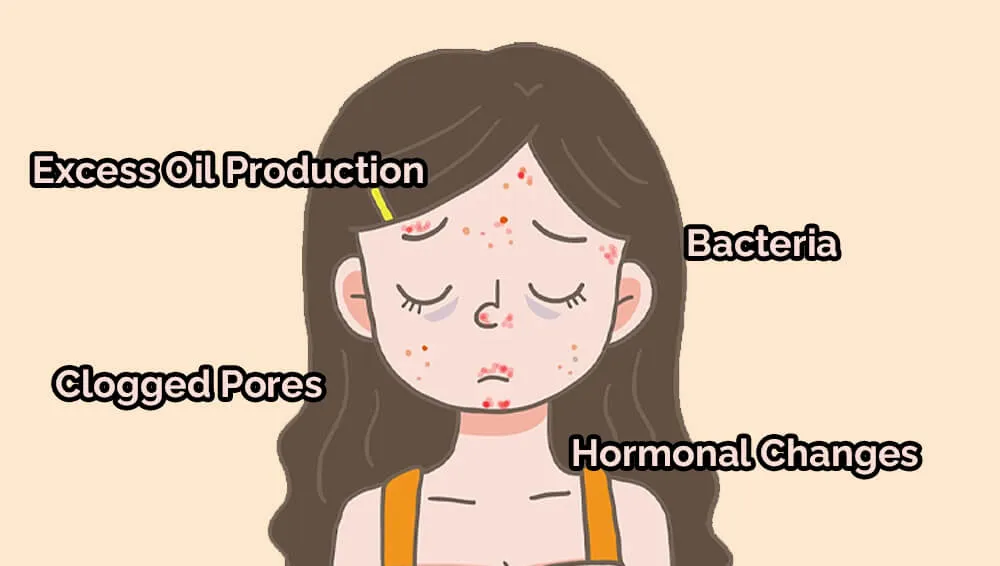
Acne develops due to a combination of several factors that affect the skin. Here’s a closer look at each cause:
Excess Oil Production
The skin naturally produces oil, known as sebum, to keep it moisturized. But, when the sebaceous glands produce too much sebum, it can lead to acne. This excess oil mixes with dead skin cells and other impurities, which can block the pores, creating an environment where acne can form.
Clogged Pores
Dead skin cells are constantly shed by the skin, but when they don’t properly fall away, they can mix with excess oil and block hair follicles or pores. These clogged pores may become blackheads or whiteheads, and if bacteria enter, they can turn into inflamed pimples or cysts.
Bacteria
A type of bacteria called Propionibacterium acnes naturally lives on the skin. When pores are clogged, this bacteria can multiply inside, causing inflammation, redness, and swelling, leading to acne breakouts. The immune system’s response to this bacteria can make the condition worse, resulting in painful or persistent acne.
Hormonal Changes
Hormonal fluctuations, particularly an increase in androgens (a type of hormone), can cause the sebaceous glands to enlarge and produce more oil. This is common during puberty, menstrual cycles, pregnancy, and times of high stress. These hormonal shifts can make acne worse or trigger it in people who have never had issues with it before.
Each of these factors plays a role in the development and severity of acne, often working together to cause breakouts.
Best Ingredients For Acne

Pionin (Quaternium-73))
Pionin, also known as Quaternium-73, is one of the best Ingredients For Acne because of its powerful antibacterial properties. It works by targeting the bacteria that cause acne, helping to reduce inflammation and prevent future breakouts. This ingredient is gentle on the skin, making it suitable for sensitive skin types as well.
One of the reasons Pionin is considered among the Best Ingredients For Acne is its ability to keep pores clear and reduce the chances of clogged pores, which are a common cause of acne. It also supports healing, promoting clearer and healthier skin over time. For those looking to treat acne effectively, Pionin stands out as one of the Best Ingredients For Acne due to its multi-functional benefits.
Benzoyl Peroxide
Benzoyl peroxide is one of the Best Ingredients For Acne because of its powerful ability to fight the bacteria that cause breakouts. It works by killing the bacteria on the skin, which reduces inflammation and helps clear up pimples. This ingredient also helps remove dead skin cells and excess oil, which can block pores and lead to acne.
One of the main reasons benzoyl peroxide is among the Best Ingredients For Acne is its fast action. It starts working immediately when applied to the skin, targeting active acne and preventing new breakouts from forming. It’s especially effective for mild to moderate acne and can be found in many over-the-counter treatments like cleansers, gels, and spot treatments.
While benzoyl peroxide is one of the best ingredients for acne, it can sometimes cause dryness or irritation, especially for sensitive skin. Starting with a lower concentration and using it gradually can help minimize these effects while still delivering its acne-fighting benefits.
Salicylic Acid
Salicylic acid is one of the Best Ingredients For Acne due to its powerful ability to exfoliate and unclog pores. As a beta hydroxy acid (BHA), it works by penetrating deep into the pores, dissolving excess oil, dead skin cells, and other debris that can cause blockages. This helps prevent the formation of blackheads and whiteheads, two common types of acne.
One of the main reasons salicylic acid is considered one of the Best Ingredients For Acne is its ability to reduce inflammation. It calms redness and irritation, making it an excellent option for individuals with sensitive skin prone to breakouts. Salicylic acid also supports the skin’s natural exfoliation process, helping to remove old skin cells and promote a smoother complexion. However, it is important to use it in moderation to avoid over-exfoliating the skin, which can lead to dryness.
Overall, salicylic acid remains a top choice among the Best Ingredients For Acne, providing effective treatment by keeping pores clean and reducing inflammation, leading to clearer skin.
Retinol
Retinol are among the Best Ingredients For Acne due to their ability to reduce inflammation and promote skin cell turnover. By increasing cell turnover, retinol help prevent clogged pores, which is a common cause of acne breakouts. Their anti-inflammatory properties can also calm redness and swelling, making retinol an excellent choice for those dealing with persistent acne.
In addition to clearing current acne, retinol helps prevent future breakouts by keeping the pores clear and healthy. Over time, retinol can also improve skin texture and reduce the appearance of acne scars, making it one of the Best Ingredients For Acne treatment and long-term skin improvement.
However, retinol can sometimes cause dryness or irritation, especially when first introduced to a skincare routine. It’s important to use them carefully and follow up with moisturizing ingredients to maintain the skin’s balance while benefiting from one of the Best Ingredients For Acne control.
Niacinamide
Niacinamide is one of the best ingredients for acne, known for its ability to regulate oil production and improve the overall texture of the skin. By controlling excess oil, niacinamide helps reduce the appearance of acne and prevents new breakouts. It also has anti-inflammatory properties, which can calm irritated skin and reduce redness commonly associated with acne.
Additionally, niacinamide strengthens the skin’s barrier, making it more resilient against external factors like pollution and bacteria that can worsen acne. Another reason why it is considered one of the best ingredients for acne is that it works well with other skincare ingredients, making it suitable for use in a variety of formulations, from creams to serums.
Overall, niacinamide is highly valued in acne treatments for its versatility and gentle yet effective results, making it one of the best ingredients for acne for all skin types.
Tea Tree Oil
Tea tree oil is one of the Best Ingredients For Acne due to its powerful antibacterial and anti-inflammatory properties. It works by targeting the bacteria that cause acne, helping to reduce breakouts and prevent future pimples from forming. This natural oil is particularly effective at reducing inflammation, which helps calm red, swollen acne spots.
One of the reasons tea tree oil is considered among the Best Ingredients For Acne is its ability to soothe irritated skin without being too harsh, making it a good choice for those with mild to moderate acne. However, it is important to use it in small amounts or in diluted form to avoid skin irritation, as it can be strong in its pure form.
Overall, tea tree oil’s antibacterial properties and its ability to reduce swelling make it one of the Best Ingredients For Acne, especially for those seeking a natural solution to manage breakouts.
Sulfur
Sulfur is one of the Best Ingredients for Acne because of its ability to clear pores and reduce inflammation. This natural mineral works by drying out the surface of the skin, which helps absorb excess oil and unclog pores. As a result, it effectively prevents the formation of new pimples and reduces existing ones.
In addition to fighting acne, sulfur also has antibacterial properties that help control acne-causing bacteria, further minimizing breakouts. It is often used in treatments designed for mild to moderate acne. Unlike some stronger acne treatments, sulfur is generally less harsh on the skin, making it a good option for those looking for a gentler solution.
Though sulfur is one of the Best Ingredients for Acne, it may leave the skin feeling slightly dry, so it’s important to follow up with a moisturizer if dryness occurs. Some sulfur products may also have a distinctive smell, but its effectiveness in clearing acne makes it a popular choice in many acne-fighting formulations.
Alpha Hydroxy Acids (AHAs)
Alpha Hydroxy Acids (AHAs) are considered one of the Best Ingredients For Acne due to their ability to gently exfoliate the skin. AHAs work by removing dead skin cells from the surface, which helps to prevent clogged pores—one of the main causes of acne. By promoting cell turnover, AHAs encourage the growth of new, healthy skin cells, leading to a smoother complexion and reduced acne breakouts.
Another benefit of AHAs, as one of the Best Ingredients For Acne, is their ability to fade acne scars and hyperpigmentation over time. They also improve skin texture and tone, making the skin look more even. AHAs can also help reduce fine lines and give the skin a more youthful appearance.
However, it’s important to note that AHAs can increase the skin’s sensitivity to the sun, so using sun protection is crucial when applying any product containing this key ingredient. Overall, AHAs are a highly effective choice among the Best Ingredients For Acne, especially for those dealing with both acne and uneven skin tone.
Beta Hydroxy Acids (BHAs)
Beta Hydroxy Acids (BHAs) are one of the best ingredients for acne, known for their ability to deeply exfoliate the skin and clear pores. BHAs, like salicylic acid, are oil-soluble, meaning they can penetrate through oil and reach deeper into the skin layers. This makes them effective at unclogging pores and removing dead skin cells, which helps prevent acne breakouts.
One of the main reasons BHAs are considered some of the best ingredients for acne is their ability to reduce excess oil on the skin. This is particularly beneficial for those with oily or acne-prone skin, as it helps control shine while keeping the pores clear. Additionally, BHAs have anti-inflammatory properties, which help soothe redness and irritation often associated with acne.
Using BHAs regularly can also improve overall skin texture, making the skin smoother and reducing the appearance of blemishes and blackheads. However, it is important to remember that overuse can lead to dryness, so it is often recommended to use them in moderation, especially for those with sensitive skin.
Azelaic Acid
Azelaic acid is one of the best ingredients for acne because it has anti-inflammatory properties and works to clear out clogged pores. By reducing inflammation, it helps to calm redness and irritation often caused by acne. Its ability to unclog pores allows the skin to breathe, reducing the chances of future breakouts. Another benefit of azelaic acid is that it can help fade post-acne marks, making it effective for both treating active acne and improving the appearance of the skin over time.
Incorporating azelaic acid into a skincare routine can be highly beneficial for anyone looking for the best ingredients for acne. It’s gentle enough for various skin types and is often used in combination with other treatments to achieve clearer, smoother skin.
Aloe Vera
Aloe vera is one of the best ingredients for acne due to its calming and healing properties. This natural ingredient is well-known for soothing irritated skin, making it an excellent choice for those dealing with acne-prone areas.
Aloe vera helps reduce redness and inflammation, two common symptoms associated with acne. Its gel-like consistency hydrates the skin without clogging pores, which is crucial for preventing further breakouts. Additionally, aloe vera contains antioxidants, vitamins, and enzymes that promote healing and skin repair.
As part of a routine focused on the best ingredients for acne, aloe vera can work alongside other treatments to balance the skin, improve hydration, and calm active breakouts, all while being gentle on sensitive or irritated skin.

Ingredients to Avoid in Skincare for Acne

Oily Ingredients
In skincare, certain oily ingredients can be problematic, especially for individuals prone to acne. These ingredients can clog pores, leading to breakouts and worsening existing acne. When pores become blocked, excess oil, dead skin cells, and bacteria can build up, creating an environment where acne can thrive.
Common Oily Ingredients to Avoid:
- Mineral Oil: This is a common ingredient found in many lotions and creams. While it is effective at locking in moisture, it can also be very heavy and can clog pores, making it unsuitable for acne-prone skin.
- Petrolatum: Often used in ointments and balms, petrolatum creates a barrier on the skin. While this can help prevent moisture loss, it can also trap impurities and contribute to pore blockage.
- Coconut Oil: Although known for its moisturizing properties, coconut oil is considered comedogenic, meaning it can clog pores. Many people find that it worsens their acne, especially if used on the face.
- Lanolin: This ingredient, derived from sheep wool, is often used for its emollient properties. However, lanolin can be too heavy for some skin types and may lead to breakouts.
- Silicones: While silicones can give a smooth texture to products, they can create a barrier on the skin that traps oil and dirt, potentially causing acne flare-ups.
Why Oily Ingredients Matter
Choosing skincare products without heavy or oily ingredients is essential for maintaining clear skin. Instead, lightweight, non-comedogenic products are recommended. These products contain ingredients that hydrate without clogging pores, helping to reduce the risk of breakouts.
In summary, avoiding oily ingredients in skincare is crucial for anyone dealing with acne. Being mindful of product labels and selecting lighter alternatives can help keep skin clear and healthy.
Fragrances or Dyes
Fragrances and dyes are common ingredients found in many skincare products, but they can cause problems for those with acne-prone skin.
Irritation: Fragrances, even those labeled as “natural,” can irritate sensitive skin. This irritation can lead to redness, itching, or a burning sensation, making existing acne worse. When skin is irritated, it can produce more oil, which may contribute to clogged pores and additional breakouts.
Breakouts: Dyes used in skincare products can also pose a risk. These artificial colors may trigger an allergic reaction or sensitivity in some individuals. This reaction can lead to inflammation, which is a key factor in the development of acne. Additionally, dyes do not provide any benefits for the skin, making them unnecessary additives that could harm rather than help.
Choosing Products: To avoid these issues, it is best to choose skincare products that are labeled as “fragrance-free” or “dye-free.” This can help reduce the risk of irritation and breakouts. Many brands now offer gentle formulations specifically designed for sensitive or acne-prone skin that do not include these potentially harmful ingredients.
Clogging pores ingredients

Clogging pores is one of the biggest reasons for acne. When pores become blocked, oil, dirt, and dead skin cells cannot escape, leading to breakouts and skin irritation. Certain ingredients in skincare and cosmetic products can contribute to this problem, making it important to know which ingredients to avoid.
Many common skincare and makeup products contain ingredients that can clog pores. These ingredients may create a barrier on the skin, trapping oil and debris underneath. As a result, the chances of developing acne increase.
Avoiding products with these clogging ingredients can help reduce the chances of acne and keep the skin looking clear and healthy. It is essential to check product labels and choose non-comedogenic options, especially for those with acne-prone or oily skin.
Here are some ingredients that are often known to cause clogging
- Acetylated Lanolin
- Acetylated Lanolin Alcohol
- Algae Extract
- Algin
- Butyl Stearate
- Carrageenan
- Cetyl Acetate
- Cetearyl Alcohol + Ceteareth 20
- Chondrus Crispus
- (aka Irish Moss or Carageenan Moss)
- Chlorella
- Coal Tar
- Cocoa Butter
- Coconut Alkanes
- Coconut Butter
- Coconut Oil
- Colloidal Sulfur
- Cotton Seed Oil
- D & C Red # 17
- D & C Red # 21
- D & C Red # 3
- D & C Red # 30
- D & C Red # 36
- Decyl Oleate
- Dioctyl Succinate
- Disodium Monooleamido
- PEG 2- Sulfosuccinate
- Ethoxylated Lanolin
- Ethylhexyl Palmitate
- Glyceryl Stearate SE
- Glyceryl-3 Diisostearate
- Hexadecyl Alcohol
- Hydrogenated Vegetable Oil
- Isocetyl Alcohol
- Isocetyl Stearate
- Isodecyl Oleate
- Isopropyl Isostearate
- Isopropyl Linolate
- Isopropyl Myristate
- Isopropyl Palmitate
- Isostearyl Isostearate
- Isostearyl Neopentanoate
- Kelp
- Laminaria Digitata Extract
- Laminaria Saccharina
- Extract
- (Laminaria Saccharine)
- Laureth-23
- Laureth-4
- Lauric Acid
- Mink Oil
- Myristic Acid
- Myristyl Lactate
- Myristyl Myristate
- Octyl Palmitate
- Octyl Stearate
- Oleth-3
- Oleyl Alcohol
- PEG 16 Lanolin
- PEG 200 Dilaurate
- PEG 8 Stearate
- PG Monostearate
- PPG 2 Myristyl Propionate
- Wheat Germ Glyceride
- Wheat Germ Oil
- Xylene
- Plankton
- Polyglyceryl-3
- Diisostearate
- Potassium Chloride
- Propylene Glycol Monostearate
- Red Algae
- Seaweed
- Shark Liver Oil (Squalene)
- Shea Butter
- Sodium Laureth Sulfate
- Sodium Lauryl Sulfate
- Solulan 16
- Sorbitan Oleate
- Soybean Oil (Glycine Soja)
- Spirulina
- Steareth 10
- Stearic Acid Tea
- Stearyl Heptanoate
- Sulfated Castor Oil
- Sulfated Jojoba Oil
Choosing the Right Acne Products

Consider Your Skin Type
Choosing the right acne products is important for effectively treating breakouts. One key factor in this process is understanding the specific skin type. Different skin types have unique needs, so selecting the best ingredients for acne based on skin type can lead to better results.
Sensitive Skin: For those with sensitive skin, the best ingredients for acne should be gentle and soothing. Products containing aloe vera or chamomile can help calm irritation and redness. It is advisable to avoid harsh ingredients, such as alcohol or strong exfoliants, as these can increase sensitivity and lead to further irritation. Instead, look for formulas labeled as “hypoallergenic” or “for sensitive skin.”
Oily Skin: People with oily skin often benefit from ingredients that help control excess oil. Salicylic acid is one of the best ingredients for acne on oily skin because it penetrates pores to remove excess oil and dead skin cells. Other helpful ingredients include witch hazel and tea tree oil, which can reduce inflammation and fight bacteria without adding extra oil to the skin.
Dry Skin: Those with dry skin should seek hydrating acne products that do not strip moisture. The best ingredients for acne in this case include hyaluronic acid and glycerin, which help retain moisture and keep the skin hydrated. It is important to look for products that balance acne treatment with hydration to avoid worsening dryness. Avoiding overly drying ingredients, like benzoyl peroxide in high concentrations, can help maintain skin moisture.
Combination Skin: For combination skin, it is beneficial to find a balance between treating breakouts and addressing dryness or oiliness in different areas. A lightweight gel or cream that contains a mix of the best ingredients for acne, such as niacinamide and salicylic acid, can effectively target both oily and dry areas. This approach helps manage acne while keeping the skin balanced and healthy.
Address the Underlying Cause

When dealing with acne, it is important to understand that the condition can sometimes be linked to deeper issues like hormonal imbalances or the use of certain medications. In such cases, simply using over-the-counter products may not be enough to fully address the problem. Consulting a healthcare professional, such as a dermatologist or doctor, is essential to get a clear understanding of the root cause of acne.
For those seeking effective solutions, the Best Ingredients For Acne can help manage breakouts and improve skin health. However, if acne is related to hormonal changes, like during puberty, pregnancy, or due to certain medications, medical advice should guide treatment options. Sometimes, prescription treatments or lifestyle changes are necessary to balance the underlying hormonal issues.
For general acne management, using products that include Best Ingredients For Acne—such as salicylic acid, benzoyl peroxide that can help address surface-level breakouts. But for deeper, long-term solutions, addressing the underlying cause through professional consultation is key to achieving clearer skin.
Combine Products
For severe acne, using a combination of products can be highly effective in targeting various aspects of the condition. Combining different treatments helps address multiple causes of acne, such as excess oil, clogged pores, and inflammation.
One approach is to use products that contain the Best Ingredients For Acne like benzoyl peroxide and salicylic acid together. Benzoyl peroxide works by killing acne-causing bacteria, while salicylic acid helps unclog pores and reduce inflammation. Together, they create a powerful solution for managing breakouts.
Another combination is using retinol alongside moisturizers. Retinol, known as the Best Ingredients For Acne, speed up cell turnover and prevents clogged pores, while a good moisturizer helps maintain hydration and reduces the dryness that retinol can sometimes cause. Including ingredients like niacinamide in the routine can also help soothe irritation and reduce redness.
In severe cases, using products that contain both Best Ingredients For Acne and hydrating components can balance the skin, prevent irritation, and promote clearer, healthier skin. Combining treatments can provide a more comprehensive approach to treating severe acne, improving both short-term results and long-term skin health.
Crafting Your Anti-Acne Product with Us
Customized Formulations
Creating acne products that cater to different skin types and levels of acne severity is an essential part of developing a successful skincare line. By focusing on the Best Ingredients For Acne, products can be tailored to specific needs, whether targeting mild breakouts, severe acne, or combination skin. This customized approach ensures that the right balance of active ingredients is used, providing maximum effectiveness for the intended user.
High-Quality Ingredients
Using the Best Ingredients For Acne is critical for effective results. Ingredients like salicylic acid, benzoyl peroxide, and tea tree oil are well-known for their acne-fighting properties. These active ingredients help reduce inflammation, clear blocked pores, and prevent future breakouts. In addition to acne-targeting components, formulations can also include soothing and best skincare ingredients to ensure the skin remains healthy without causing excessive dryness or irritation.
Expert Formulation Assistance
Developing a high-performing acne product requires expertise and knowledge of the best formulations. Expert guidance can be provided throughout the product development process, ensuring the right balance of Best Ingredients For Acne is incorporated. With professional assistance, each product is carefully crafted to meet the brand’s unique vision while delivering proven results.
Enhance Your Brand with Stunning Packaging
In addition to creating effective formulations, the appearance of the product matters. Packaging plays a significant role in attracting consumers and enhancing the brand’s identity. Offering visually stunning packaging options can complement the acne product while ensuring it stands out on store shelves. The design can be customized to reflect the quality of the product and appeal to the target audience.
Ready to Combat Acne? For those looking to create their own acne-fighting product, the next step is simple: connect with a team of experts to discuss product ideas and explore private-label options. With the right Best Ingredients For Acne, customized formulations, and expert assistance, it is possible to develop a standout product that helps combat acne effectively.
FAQ
Vitamin C serum is known for its ability to brighten the skin and reduce hyperpigmentation, making it a popular choice for addressing acne scars. As a powerful antioxidant, it helps protect the skin from environmental damage and supports overall skin health. However, while it may help improve the appearance of acne scars, it does not directly treat active acne.
For treating acne, other ingredients such as salicylic acid or benzoyl peroxide might be more effective. Consulting a dermatologist is recommended to determine the best treatment plan for individual skin concerns.
Hormonal acne is often the result of changes in hormone levels, especially during times like puberty, pregnancy, or menstruation. Although there is no permanent solution to eliminate hormonal acne, it can be effectively managed through several approaches.
First, maintaining a healthy lifestyle is key. Eating a balanced diet, exercising regularly, and reducing stress can help regulate hormone levels and improve overall skin health. Certain foods that trigger acne, like high-sugar or processed foods, should be avoided.
Using skincare products specifically designed for acne-prone skin can also make a difference. Look for products that contain ingredients like salicylic acid, benzoyl peroxide, or retinoids, which can help reduce breakouts and control oil production. It’s also important to cleanse the skin regularly to remove excess oil and dirt, but harsh scrubbing should be avoided to prevent irritation.
In some cases, hormonal acne may require medical attention. Consulting with a healthcare professional or dermatologist can provide further guidance. They may recommend prescription treatments like oral contraceptives, anti-androgen medications, or topical treatments to help manage the acne more effectively.


