

Introduction
Imagine a customer reaching for your beautifully crafted skincare product, only to be confused by the label. In the world of cosmetics, clear and compliant labeling is essential for building trust and boosting sales. Common Cosmetic Labeling Mistakes can lead to confusion and mistrust among customers, which can hurt your brand’s reputation and sales. If you’re planning to create your own product line, getting the labeling right is essential. Proper labeling not only ensures compliance with regulations but also helps customers understand and trust your products, paving the way for success in the competitive beauty market.
Key Takeaway
Here’s a summary of Common Cosmetic Labeling Mistakes and important points to consider.
| Mistake | Importance |
| Missing Legal Requirements | Non-compliance can lead to legal consequences, product recalls, and damage to brand reputation. |
| Not Understanding Ingredient Lists | Compliance ensures transparency, safety, and legal adherence, fostering consumer trust. |
| Missing Key Content | Violation of regulations and may mislead consumers, affecting trust and compliance. |
| Ignoring Design Appearance | Aesthetic appeal influences consumer perception, affecting product positioning and sales. |
| Not Considering Target Audience | Customization enhances brand resonance, attracting and retaining specific consumer groups. |
| Missing Consumer Safety Info | Inclusion ensures product safety and compliance, building consumer confidence and trust. |
| Misleading Product Claims | Misleading claims can damage brand reputation, lead to legal consequences, and loss of trust. |
| Incorrect Font Size | Compliance enhances readability and ensures consumers can access necessary information easily. |
| Misleading Names | Clear and accurate naming fosters trust and transparency, aligning consumer expectations with reality. |
| Missing Manufacturing Info | Essential for product traceability, quality control, and consumer communication in case of issues. |
The Importance of Clear Labeling
Clear labeling is essential because it provides consumers with important information about the products they are purchasing. When labels are easy to read and understand, it helps consumers make informed decisions about which products are right for them. Clear labeling includes details such as the product’s ingredients, instructions for use, expiration date, and any potential warnings or precautions.
Clear labeling is particularly important for consumers who have allergies, sensitivities, or restrictions and prohibitions like Halal cosmetics. By clearly listing all ingredients, including common allergens such as nuts or gluten, individuals can easily determine if a product is safe for them to use.
Clear labeling allows consumers to identify products that align with their values and preferences. For example, labels indicating that a product is organic, cruelty-free, or vegan help consumers choose products that align with their ethical beliefs. As skincare trends continue to evolve, consumers are increasingly seeking products that are natural, sustainable, and free from harmful chemicals. Clear labeling helps them navigate these trends and select products that meet their specific needs.
On the other hand, to help consumers make informed choices, clear labeling also promotes transparency and trust between consumers and manufacturers. When companies provide accurate and detailed information on their labels, it demonstrates a commitment to quality and integrity. This transparency is crucial in the beauty industry, where consumers are highly influenced by beauty industry trends. As trends shift towards more conscious and informed consumerism, clear labeling becomes a key factor in building and maintaining consumer trust.
Common Cosmetic Labeling Mistakes

Missing the Legal Requirements
It’s essential to understand and follow the regulatory requirements for cosmetic labeling before designing your product labels. For example, in the United States, the FDA (Food and Drug Administration) has specific guidelines that dictate what information must be included on cosmetic labels. This includes the product name, the net quantity of contents, a list of ingredients, the name and place of business of the manufacturer, packer, or distributor, and any necessary warnings or instructions for safe use.
If you plan to sell your products in other regions, such as the European Union, you need to familiarize yourself with the EU Cosmetics Regulation. This regulation also requires specific information on the labels, such as the country of origin, a list of ingredients using standardized names, and the period after opening symbol, which indicates how long the product can be used safely after opening.
Therefore, it’s essential to understand and follow the regulatory requirements for cosmetic labeling in your specific region before designing your product labels. Here are some key regulations for various regions:
United States (FDA Requirements)
The FDA (Food and Drug Administration) enforces strict guidelines for cosmetic labeling to ensure consumer safety and informed usage. Key requirements include:
| Requirement | Description |
| Product Name | The label must clearly state what the product is, either by its common name (e.g., “face cream”) or its intended use. |
| Net Quantity of Contents | Display the amount of product in the container (e.g., weight, volume). This should be in both metric (grams, liters) and US customary units (ounces, fluid ounces). |
| Ingredients List | List all ingredients in descending order of predominance. Ingredients should be listed by their common or usual names, and color additives must be listed separately. |
| Manufacturer Information | Include the name and place of business of the manufacturer, packer, or distributor. This should be the entity responsible for the product’s production. |
| Warnings and Instructions | Add any necessary warnings (e.g. “Keep out of reach of children”) and instructions for safe use (e.g. “Avoid contact with eyes”). |
| Label Placement | The principal display panel (the part of the label most likely to be displayed or examined) should contain the product identity and net contents, while the information panel should include the ingredients list, manufacturer information, and any warnings. |
The FDA guidelines ensure that consumers receive all the information they need to use cosmetic products safely and effectively. Non-compliance can lead to products being deemed misbranded, resulting in legal consequences, product recalls, and damage to your brand’s reputation.
European Union (EU Cosmetics Regulation)
The EU Cosmetics Regulation (Regulation (EC) No 1223/2009) is one of the most stringent frameworks in the world, aimed at ensuring high safety standards for cosmetic products. Key requirements include:
| Requirement | Description |
| Product Name and Purpose | Clearly state the product’s name and its intended use, if this is not obvious from the name alone. |
| Ingredients List | Use the INCI (International Nomenclature of Cosmetic Ingredients) names. List all ingredients in descending order of weight at the time they are added. |
| Net Contents | Indicate the quantity of the product in terms of weight or volume. This should be expressed in metric units (grams, kilograms, milliliters, liters). |
| Responsible Person and Manufacturer Information | Include the name and address of the responsible person or the manufacturer within the EU. This entity is responsible for ensuring compliance with the regulation. |
| Country of Origin | If the product is imported from outside the EU, state the country of origin. |
| Expiry Date | Use the period-after-opening (PAO) symbol to indicate how long the product can be used after opening. Alternatively, if the product’s shelf life is less than 30 months, an expiration date must be provided. |
| Warnings and Instructions | Provide necessary warnings and usage instructions to ensure safe use. |
| Label Language | Labels must be in the official language(s) of the EU country where the product is marketed. |
The EU Cosmetics Regulation ensures products are safe for consumers and that they have all the necessary information to use them properly.
United Arab Emirates (UAE Regulations)
The cosmetics regulation of UAE has specific guidelines for cosmetic labeling to protect consumers and ensure product safety. Key requirements include:
| Requirement | Description |
| Product Identity and Brand | Clearly display the product name and brand on the label. |
| Net Quantity | State the weight or volume of the product in metric units (grams, milliliters). |
| Ingredients List | List all ingredients in descending order of their weight using their standard names. |
| Manufacturer Information | Include the name and address of the manufacturer, packer, or distributor. |
| Batch Number | Each batch of product manufactured should be assigned a unique batch number, which helps in tracking and tracing the product in case of any issues or recalls. |
| Country of Origin | Specify where the product was made |
| Expiry Date | Clearly indicate the expiration date on the label |
| Warnings and Instructions | Add any necessary warnings and directions for safe use |
| Label Language | Labels must be in Arabic, as it is the official language of the UAE. While labeling in English is not mandatory, it is often included alongside Arabic to cater to the diverse population and tourists in the country. |
Failing to comply with these regulations in any region can result in your products being considered misbranded, leading to legal issues, product recalls, and damage to your brand’s reputation.
Navigating these regulatory requirements can be complex, especially if you aim to enter multiple markets. Therefore, it’s often best to focus on meeting the regulations in your primary market first. Ensure that your labels are fully compliant with local laws, and then gradually explore the labeling requirements for other regions you plan to expand into. This approach helps you avoid Common Cosmeticts Labeling Mistakes and ensures that your products are legally compliant, safe, and trustworthy.
Not Understanding Laws of an Ingredient List
Creating an ingredient list for cosmetics can be tricky because there are specific rules to follow. It’s important to know what ingredients must be listed and the correct way to list them. Here are some key points:
- List All Ingredients: Every skincare ingredient used in the product must be included on the label. This ensures transparency and helps consumers know exactly what is in the product they are using.
- Descending Order by Concentration: Ingredients must be listed in descending order of their concentration in the product. This means you start with the ingredient that has the highest percentage in the formula and end with the one that has the least. This rule helps consumers understand the composition of the product at a glance.
- INCI Standards: The ingredient names must follow the International Nomenclature of Cosmetic Ingredients (INCI) standards. INCI names are standardized, scientific names used globally, which helps in maintaining consistency and clarity.
- Highlighting Active Ingredients: If your product contains active skincare ingredients that provide a specific benefit (like sunscreen or anti-aging ingredients), these must be clearly identified and listed according to regulatory guidelines.
- Allergens and Sensitive Ingredients: Some regulations require certain allergens or potentially sensitive ingredients to be highlighted, especially if they are present in significant quantities. This helps protect consumers with allergies or sensitivities.
By carefully following these guidelines, cosmetic manufacturers can avoid common labeling mistakes, ensure compliance with legal requirements, and build consumer trust. Proper labeling not only protects the manufacturer from legal issues but also helps maintain a transparent and honest relationship with customers.
Missing Key Content for Informed Decisions
When creating labels for your products, it’s crucial to include all the necessary information as required by the Fair Packaging and Labeling Act (FPLA). This act, enforced by the US Food and Drug Administration (FDA), ensures that consumers have access to vital details about the products they are purchasing. Specifically, the FPLA mandates that cosmetic labels clearly display the net quantity of contents, such as the weight in grams or ounces, or the volume in millilitres or fluid ounces. By providing this information, consumers can easily compare products and make informed decisions about their purchases.
By adhering to the FPLA requirements and ensuring that your labels contain accurate and transparent information about product contents, you can build trust with consumers and empower them to make confident choices when selecting skincare products. This not only enhances consumer satisfaction but also strengthens your brand’s reputation for transparency and integrity in the marketplace.
Ignoring the Appearance of Design
When it comes to labeling cosmetics, it’s essential to pay attention to how the label looks. The appearance of the label, including its design, colors, and overall aesthetic, plays a significant role in how customers perceive the quality and value of the product. Imagine if you saw a skincare product with a label that looked messy or unprofessional and it might make you doubt the quality of the product.
That’s why it’s important to carefully consider the design elements of the label. Think about the color scheme and how it fits with the brand’s image and target audience. Choosing colors that are visually appealing and complement each other can enhance the attractiveness of the product.
On other hand, it’s essential to think about the texture and material of the label. A label with a high-quality texture can convey a sense of whether the skincare product is luxury skincare or organic and eco friendly. Plus, it should match well with the overall packaging, whether it’s a box, tube, or bottle. This creates a cohesive and visually pleasing presentation that reinforces the brand’s image.
If the colors clash or the design elements don’t go together, it can create a negative impression. Customers might perceive the product as cheap or poorly made, even if the actual product inside is of high quality.
Therefore, paying attention to the visual design of the label is essential for creating a positive perception of the product. By carefully selecting colors, textures, and design elements, cosmetics companies can ensure that their products stand out on the shelves and appeal to customers’ aesthetic preferences.
Not Considering the Target Audience

Customizing your label design to appeal to your target audience is crucial for the success of your product.
- Age: Different age groups have different preferences. Younger audiences might be attracted to bright, vibrant colors and trendy designs, while older consumers may prefer more sophisticated, understated labels. For instance, a skincare product for teenagers could use lively colors and playful fonts, whereas a product aimed at mature skin might use elegant fonts and subtle, classy colors.
- Gender: Men and women often have different tastes when it comes to cosmetic products. Men might prefer darker, more neutral colors and straightforward, no-frills designs. Women might be drawn to softer, more varied colors and intricate, aesthetically pleasing designs. For example, a men’s grooming product might have a sleek, minimalist label, while a women’s beauty product could feature floral patterns and pastel shades.
- Preferences: Consider the lifestyle and preferences of your target audience. Are they eco-conscious? If so, using earthy colors and natural imagery might resonate with them. Do they value luxury? In that case, metallic accents and high-end graphics could be more appealing. Understanding what your audience values and likes can help you create a label that speaks directly to them.
- Cultural Sensitivities: Be mindful of cultural differences and sensitivities that might affect how your label is perceived. Colors, symbols, and even certain words can have different meanings in different cultures. Research your target market thoroughly to avoid any unintentional offense or misunderstanding.
By carefully considering these factors when designing your labels, you can create packaging that not only looks good but also connects with your audience on a personal level. This connection can make your product stand out on the shelves and encourage potential customers to choose your brand over others.
Missing Consumer Safety Infomation
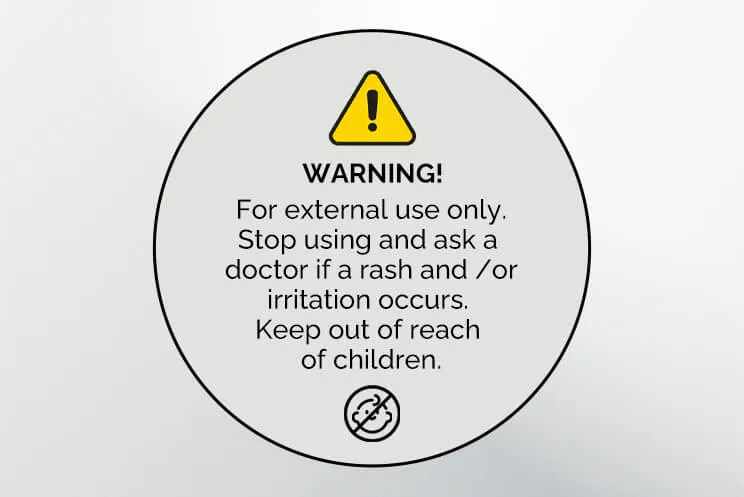
It is very important to include clear safety warnings and instructions on your cosmetic product labels. This information helps consumers use the products safely and correctly. For example, labels should mention any possible side effects, allergy warnings, or proper usage instructions. Without these details, customers might misuse the product or experience unwanted reactions. Providing this information helps keep your customers safe and builds trust in your brand.
Misleading Product Claims
When labeling cosmetic products, it’s crucial to avoid making exaggerated or unproven claims. These are statements that promise unrealistic results, like “eliminates wrinkles overnight” or “guaranteed to make you look 10 years younger.” Such claims can mislead customers, leading them to expect results that the product cannot deliver.
On other hand, including an ingredient in the product name. This can create a problem because it goes against FDA regulations. When the front label of a product highlights one ingredient but leaves out others, it violates FDA rules. According to cosmetic labeling regulations, this practice is considered misbranding. Essentially, it’s like lying to or misleading the public. Sometimes, certain companies intentionally deceive consumers by putting an ingredient as part of the product name.
For example, if a lotion contains an added cosmetic ingredient, but that ingredient is included in the product name, it might mislead consumers into thinking the product is mainly made up of that ingredient instead of being a lotion. To avoid this labeling issue, it’s best for companies to keep the added ingredient separate from the main product name, using a different font and color to distinguish it.
Making these kinds of claims can result in several issues:
- Loss of Trust: If customers buy your product expecting it to perform miracles based on your claims, they will be disappointed when it doesn’t. This can lead to negative reviews and a damaged reputation, causing long-term harm to your brand.
- Legal Trouble: Regulatory bodies like the FDA in the United States and authorities under the EU Cosmetics Regulation require that all product claims be truthful and substantiated. If your claims are found to be misleading, you could face fines, product recalls, or even lawsuits.
- Market Withdrawal: In some cases, products with misleading claims may be forced off the market until the labels are corrected. This can be costly and time-consuming, disrupting your business operations and sales.
Incorrect Font Size
Using the right font size on cosmetic labels is crucial. If the text is too small, it can be difficult for consumers to read important information, such as the list of ingredients and any warnings about the product. This can lead to misunderstandings and even safety issues if people miss critical details.
Regulations often set minimum font size requirements to ensure readability. For example, in the United States, the FDA specifies that certain information on cosmetic labels must be in a font size that is no smaller than 1/16 of an inch in height. Similarly, the EU Cosmetics Regulation has its own rules to make sure that the text is legible.
Meeting these font size requirements is not just about following the law; it’s about making sure that customers can easily read and understand the information on your product. This helps them make informed decisions, avoid allergens, and use the product safely. Using the correct font size also enhances the overall professionalism and trustworthiness of your brand.
Misleading Names
One common error that occurs in cosmetic labeling involves using names that emphasize an ingredient which may not be the main component of the product. This can lead consumers to believe that the highlighted ingredient plays a more significant role in the product’s formulation and benefits than it actually does. For instance, if a moisturizer is named “Aloe Vera Cream” but only contains a small amount of aloe vera, consumers may expect greater moisturizing or soothing effects from the aloe vera than the product actually delivers.
This labeling practice can be misleading and may not accurately reflect the true benefits of the product. It’s essential to opt for clear and descriptive names that accurately represent the primary ingredients and functions of the product. By choosing names that align with the custom formulation and intended effects, manufacturers can ensure transparency and help consumers make informed purchasing decisions. This approach fosters trust and credibility with consumers, leading to greater satisfaction and loyalty in the long run.
Missing Manufacturing Infomation
One common mistake found on cosmetic labels is the absence of essential manufacturing information, such as batch numbers or expiration dates. Including this information is crucial for several reasons.
Firstly, it allows for product traceability, meaning that if there are any issues or concerns with a particular batch of products, the manufacturer can quickly identify and track down all the products from that batch. This is important for ensuring the safety and quality of the products and for implementing any necessary recalls or corrective actions.
Secondly, including manufacturing information facilitates communication between the manufacturer and consumers. If there are any questions or concerns about a product, having clear manufacturing information makes it easier for consumers to contact the manufacturer and for the manufacturer to provide accurate and helpful information in response.
Building a Strong Brand Identity Through Labeling

Clarity Meets Creativity
When it comes to labeling your products, it’s one of the secrets of private labeling to strike a harmonious balance between providing clear and informative details while infusing creative design elements that resonate with your brand’s identity. This entails ensuring that your labels convey essential information in a straightforward manner, such as product ingredients, usage instructions, and safety warnings, in a manner that is easy for consumers to comprehend.
On the other hand, it’s equally important to inject creativity into your label designs, incorporating visual elements, colors, and fonts that capture the essence of your brand and differentiate your products from competitors on the shelf. By achieving this balance, you not only ensure that your products meet regulatory requirements but also create a memorable and compelling brand image that attracts and engages customers.
The Power of Storytelling
One way to make your labels stand out is by using storytelling. Instead of just listing ingredients or product features, you can tell a story about your brand. This could be about how the product was created, the inspiration behind it, or the journey it took to get to the customer’s hands. By weaving a narrative into your product descriptions, you can connect with consumers on a deeper, emotional level.
How it Works
When customers read your product descriptions, they’re not just looking for information about the product – they’re looking for a connection. A well-crafted story can evoke emotions like nostalgia, joy, or excitement, making customers feel more attached to your brand. This emotional connection can lead to increased brand loyalty, with customers choosing your products over competitors’ because they feel a personal connection to your brand story.
In essence, by leveraging concise and engaging product descriptions on your label, you can create a strong brand identity that resonates with consumers and fosters long-term brand loyalty.
Partnering with a Reliable Manufacturer

Labeling Expertise Matters
When you partner with a reliable manufacturer, it’s important to consider their expertise in labeling. This means they know how to create labels for your products that follow all the rules and regulations. Working with a manufacturer who has lots of experience in this area ensures that your labels are not only compliant with the law but also effective in communicating important information to your customers.
Streamlining the Process
A trusted private-label manufacturer can help you make the process smoother. They can assist you with creating labels for your products that follow all the rules and laws. This way, your product will meet all the legal requirements, and the label will tell customers about your brand in a clear way.
Partnering with Us for Your Skincare Success

Commitment to Quality and Compliance
When you choose to partner with us to meet skincare trends, you’re not just choosing any manufacturer. You’re choosing a company that is committed to providing you with top-notch products that meet high standards.
Firstly, we prioritize using high-quality ingredients in our skincare formulations. This means that the ingredients we use are carefully selected for their effectiveness and safety. We believe that using good ingredients leads to better skincare products that deliver real results for our customers.
Secondly, we’re committed to sustainability. We take steps to minimize our environmental impact throughout the manufacturing process. This includes things like reducing waste, conserving energy, and sourcing ingredients responsibly. By choosing us, you can feel good knowing that your skincare products are being produced in an environmentally responsible way.
Lastly, we take compliance seriously. We adhere to the strictest labeling regulations to ensure that our products are accurately labeled and meet all legal requirements. This gives you peace of mind knowing that our products are safe, legal, and trustworthy.
Partnering with us means partnering with a company that is dedicated to quality, sustainability, and compliance. We’re here to help you achieve skincare success while also making a positive impact on the world around us.
Beyond Manufacturing: Building Your Brand
Partnering with us means teaming up for your skincare success. But it’s not just about making the products. We go beyond that. We help you build your brand too. That means we’ll help you with things like designing labels, coming up with branding ideas, and figuring out how to market your private-label skincare products. We’re here to support you every step of the way, making sure your brand stands out and succeeds in the skincare market.

Conclusion
Clear labeling is really important because it helps people understand what they are buying. When products have clear labels, it’s easier for consumers to know what’s inside them and how to use them safely.
Let’s Create Something Beautiful Together
As we come to an end, we want to extend a warm invitation for you to connect with us. Whether you’re a business looking to launch your own skincare line or an established brand seeking to expand your product range, we’re here to assist you every step of the way. Our team specializes in formulating effective skincare products tailored by analyzing the skin. Plus, we excel at creating captivating labels that capture the essence of your brand and resonate with your target audience. So why wait? let’s start on this journey together to create something truly beautiful.


