

Introduction
Cosmetic Barcode is essential for any beauty brand looking to streamline operations, track inventory, and ensure product authenticity. Cosmetic barcode is more than just a set of lines, which contains essential product details that make distribution and retail processes more efficient. If planning to open a cosmetics store, having the right barcode system is crucial for smooth distribution and retail sales. This guide will explore the importance of cosmetic barcodes and how they support business growth in the beauty industry.
Cosmetic Barcodes

What is a Cosmetic Barcode?
A Cosmetic Barcode is a unique series of numbers and lines printed on skincare and beauty products. It serves as a digital identifier, helping businesses track inventory, manage sales, and ensure product authenticity. These barcodes are scanned at retail stores, warehouses, and online marketplaces to retrieve product details, pricing, and stock levels instantly. In the skincare industry, Cosmetic Barcodes play a vital role in streamlining operations and preventing counterfeit products, making them essential for both manufacturers and retailers.
Types of Cosmetic Barcodes

UPC (Universal Product Code)
UPC (Universal Product Code) is one of the most widely used Cosmetic Barcodes, especially in North America. It consists of a 12-digit numerical code and a corresponding barcode that can be scanned at retail stores. This barcode system helps in product identification, inventory management, and smooth checkout processes. Many cosmetic brands rely on UPC barcodes to ensure their products can be sold in major retail stores and online platforms. Properly registered UPC Cosmetic Barcodes enhance product visibility and authenticity in the competitive beauty market.
EAN (European Article Number)
EAN, or European Article Number, is one of the most widely used Cosmetic Barcodes in Europe and many other countries. It is a globally recognized barcode system that helps retailers and manufacturers track products efficiently. EAN barcodes typically come in two formats: EAN-13, which consists of 13 digits, and EAN-8, which is a shorter version used for smaller packaging.
For skincare and beauty brands, using Cosmetic Barcodes like EAN ensures that products can be easily scanned at retail stores, improving inventory management and sales tracking. Many Cosmetic Barcodes in Europe must follow EAN standards to meet regulatory requirements and ensure smooth distribution across different markets.
UPC vs. EAN

When selecting Cosmetic Barcodes for a brand, two common types are the UPC (Universal Product Code) and the EAN (European Article Number). Both barcodes serve the same purpose: tracking and identifying products in retail environments. However, there are important differences based on regional use and market targeting.
| Feature | UPC (Universal Product Code) | EAN (European Article Number) |
| Length | 12 digits | 13 digits |
| Primary Use Region | United States and Canada | Europe, Asia, and other international markets |
| Common Usage | Retail in North America, especially for products sold in the U.S. and Canada | Global use, especially in Europe and globally for exports |
| Target Market | Primarily North American market | European and international markets |
| Type of Business | Used by businesses targeting North American customers | Used by businesses targeting global or European customers |
Choosing between UPC and EAN depends on the market the brand wants to target. For businesses planning to create a skincare line or open a cosmetics store, understanding which barcode suits the regional market is crucial to ensure the smooth sale and distribution of Cosmetic Barcodes globally.
Other Barcode Types
Other types of Cosmetic Barcodes serve different purposes in the skincare and cosmetics industry. One such type is the QR code. QR codes can be scanned using a smartphone to provide customers with additional information about the product, such as ingredients, usage instructions, or promotional offers. These codes are often used to enhance the customer experience by providing instant access to valuable content. While Cosmetic Barcodes are essential for inventory and sales tracking, QR codes offer an interactive and informative touchpoint for consumers.
Other one is GS1-128. A more advanced barcode type used for logistics, warehousing, and shipping, allowing additional product details like batch numbers and expiration dates to be encoded.
Barcode Structure
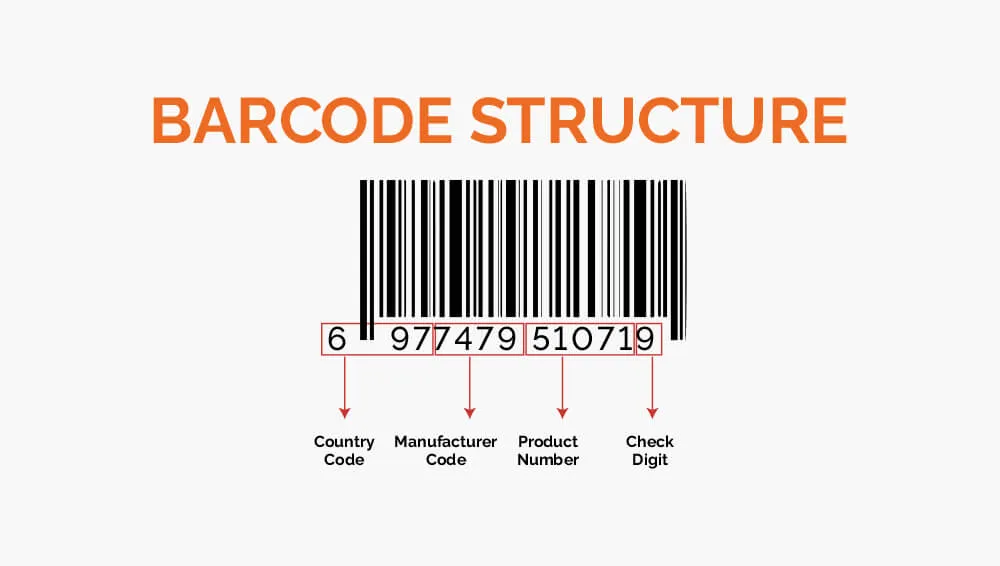
Cosmetic Barcodes follow a standardized format to ensure accurate product identification and smooth transactions in the beauty industry. One of the most commonly used barcode formats is the EAN-13 barcode, which consists of 13 digits structured as follows:
First Three Digits – Country Code
- These digits represent the country where the Cosmetic Barcode is registered, not necessarily where the product is manufactured.
- Example: “690-699” represents China, while “300-379” represents France.
Next Four Digits – Manufacturer Code
- This unique identifier is assigned to the company that owns the product.
- It helps differentiate between brands and ensures authenticity.
Next Five Digits – Product Code
- Assigned by the manufacturer, these digits distinguish different products under the same brand.
- For example, a moisturizer and a serum from the same company will have different product codes.
Last Digit – Check Digit
- This is automatically calculated based on the other 12 digits.
- It verifies the barcode’s accuracy, ensuring there are no scanning errors.
A well-structured Cosmetic Barcode ensures that skincare and beauty products can be easily tracked, sold, and managed in both physical stores and online platforms.
Information Contained in a Cosmetic Barcode

Manufacturer Identification
One key feature of Cosmetic Barcodes is their ability to identify the company that produced the product. Each barcode contains a unique code assigned to a manufacturer, which is part of the global barcode system. This identification helps retailers and consumers quickly trace the origin of the product, ensuring authenticity and providing essential information about the brand behind the cosmetic item. By including this manufacturer identification, Cosmetic Barcodes play a vital role in maintaining product transparency and trust in the skincare industry.
Product Identification
Cosmetic Barcodes play a vital role in identifying products and their specific details. Each barcode is unique to a product, helping businesses and retailers distinguish between different items and their variations, such as size, color, or fragrance. For example, a Cosmetic Barcode can specify whether a product is a 50ml bottle of cream or a 100ml size, making it easier to track inventory and ensure customers get the right product. This system of product identification helps simplify the sales process and prevents confusion, especially in stores with many similar products.
Country of Origin
Cosmetic Barcodes can provide valuable information about where a product was manufactured. By scanning the barcode, it’s possible to identify the country where the product was made. This is especially important for consumers who are concerned about sourcing and quality. For businesses, knowing the country of origin through the barcode helps in ensuring transparency and compliance with international regulations. This detail also aids in managing imports and exports effectively.
Importance of Cosmetic Barcodes
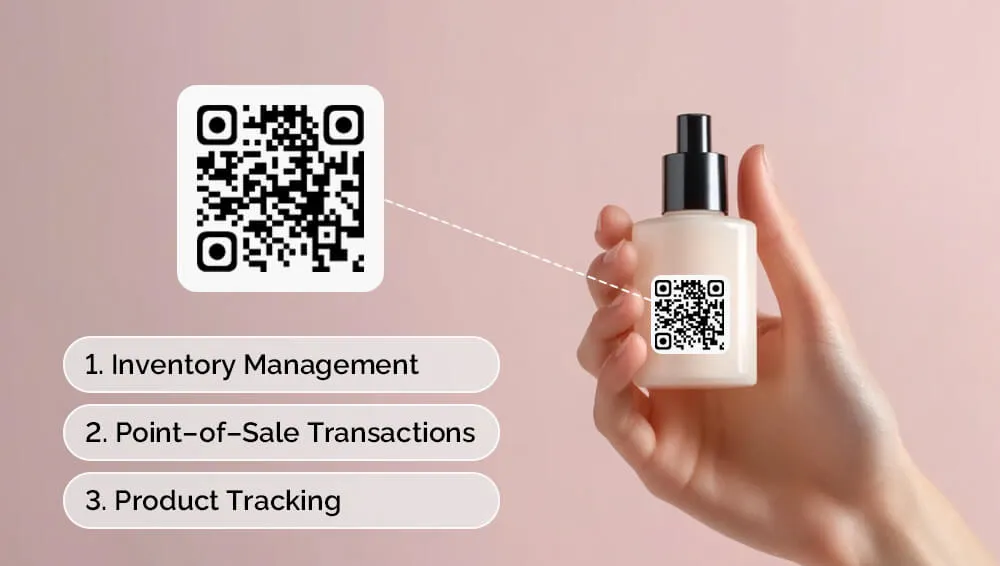
1. Inventory Management
Cosmetic Barcodes play a vital role in streamlining inventory management by making it easier to track and manage stock levels. When products are scanned, barcodes provide quick and accurate information about the quantity available, reducing the chances of errors that can occur with manual tracking. By using Cosmetic Barcodes, businesses can ensure that stock is replenished on time, avoid overstocking or running out of products, and maintain an efficient inventory system. This helps businesses save time, reduce costs, and ensure customers have access to the products they need.
2. Point-of-Sale Transactions
Cosmetic Barcodes play a vital role in ensuring smooth and efficient point-of-sale transactions. When a barcode is scanned at checkout, it instantly provides information about the product, such as its price and description. This quick scan reduces the time spent on each transaction, making the checkout process faster and more accurate. By using cosmetic barcodes, businesses can avoid pricing errors, speed up sales, and improve the overall shopping experience for customers. This makes barcodes an essential tool for both retail stores and online platforms in the skincare industry.
3. Product Tracking

Cosmetic Barcodes play a crucial role in tracking products throughout the entire supply chain. From the moment a product is manufactured to when it reaches a store shelf, barcodes provide detailed information about its location and status. Each Cosmetic Barcode is unique to the product it represents, allowing businesses to monitor inventory, avoid stockouts, and ensure timely deliveries. This system ensures that the right products are in the right place at the right time, making it easier to manage large quantities and maintain smooth operations.
4. Counterfeit Prevention
Cosmetic Barcodes play a crucial role in preventing counterfeit products from entering the market. These unique codes allow businesses to track the origin and authenticity of skincare items, ensuring that customers receive genuine products. When products are scanned, the cosmetic barcode provides important information such as the manufacturer and product details, helping to verify that the product is not a fake. By using cosmetic barcodes, brands can protect their reputation and maintain customer trust, preventing the sale of counterfeit skincare items.
5. Regulatory Compliance
Cosmetic Barcodes play a key role in ensuring compliance with regulations in the skincare and beauty industry. These barcodes help meet labeling and tracking requirements set by regulatory bodies, which are essential for consumer safety. By incorporating Cosmetic Barcodes, manufacturers and retailers can ensure that products are correctly labeled with all necessary information, such as skincare ingredients, usage instructions, and expiration dates. Furthermore, Cosmetic Barcodes provide an easy way to track the product’s journey from production to retail, making it easier to maintain accurate records and adhere to legal guidelines. This level of transparency helps protect both consumers and businesses by ensuring products are properly managed and compliant with industry regulations.
6. Consumer Inquiries
Cosmetic Barcodes offer a quick and efficient way for consumers to access important product information. When a barcode is scanned, it can provide details like active ingredients, usage instructions, and product origin. This helps brands build trust with their customers by offering transparency. Cosmetic Barcodes also streamline the process of answering customer inquiries, allowing businesses to respond faster and more accurately. This improves the overall customer experience and enhances brand reputation.
7. Market Analysis
Cosmetic Barcodes play a significant role in market analysis by helping brands collect valuable data on sales trends. Each time a product is scanned, information is gathered about how often it sells, when it sells, and in which locations. This data allows brands to track the performance of their products, understand customer preferences, and identify which products are popular. By analyzing this data, businesses can make informed decisions about inventory management, pricing strategies, and marketing efforts. In the competitive skincare industry, using cosmetic barcodes for market analysis is essential for staying ahead of skincare trends and optimizing business performance.
8 Steps to Generate Cosmetic Barcodes

1. Register with GS1 (Global Standards 1)
The first step in generating Cosmetic Barcodes is registering with GS1 (Global Standards 1), the official organization responsible for assigning unique barcode numbers. GS1 ensures that each product has a globally recognized identification number, preventing duplication and maintaining standardization in the beauty industry.
After registration, GS1 provides a Global Trade Item Number (GTIN), which serves as the foundation for creating barcodes. This unique GTIN allows products to be tracked, scanned, and sold in retail stores and online marketplaces. For businesses in the skincare industry, proper GS1 registration is essential for ensuring smooth distribution, compliance, and credibility in the market.
2. Choose a Barcode Type
Selecting the right barcode format is an essential step in generating Cosmetic Barcodes. Depending on distribution needs, the appropriate barcode type should be chosen to ensure smooth product tracking and sales. This decision plays a key role in retail compatibility, inventory management, and international market access. Proper selection of Cosmetic Barcodes helps streamline operations and enhances the overall efficiency of cosmetic product distribution.
3. Obtain a GS1 Company Prefix
A GS1 Company Prefix is a unique identifier assigned to a business by GS1, the official global barcode organization. This prefix is an essential part of generating Cosmetic Barcodes, as it ensures that each product receives a globally recognized and unique barcode number.
When a business registers with GS1, it receives a GS1 Company Prefix, which forms the foundation for creating barcode numbers. This prefix is combined with a unique product number and a check digit to generate a complete Cosmetic Barcode.
Having a registered GS1 Company Prefix is crucial for skincare brands that want to sell products in retail stores, online marketplaces, and international markets. It guarantees authenticity, improves inventory management, and enhances supply chain efficiency.
4. Assign Barcode Numbers to Products
In the skincare industry, assigning the correct barcode numbers is essential for proper product identification and tracking. When generating Cosmetic Barcodes, each product variation must have a unique barcode to avoid confusion in inventory management and sales.
Different Sizes – A skincare product available in 30ml, 50ml, and 100ml bottles will require separate Cosmetic Barcodes for each size.
Formula Variations – If a moisturizer comes in different formulations, such as one for oily skin and another for dry skin, each formula must have a distinct barcode.
Color Differences – Makeup and tinted skincare products, such as BB creams or foundations, need separate Cosmetic Barcodes for each shade.
By assigning unique barcode numbers to each variation, businesses can efficiently manage stock, streamline retail operations, and ensure accurate product tracking across multiple sales channels.
5. Generate Barcode Images

Once the barcode number is assigned, the next step is to create a scannable barcode image. Cosmetic Barcodes must be clear, high-quality, and easy to scan to ensure smooth operations in retail stores, warehouses, and online platforms.
There are two main ways to generate barcode images:
GS1 Tools – GS1 provides official barcode generation tools that ensure compliance with global standards. These tools create accurate Cosmetic Barcodes suitable for retail and distribution.
Third-Party Barcode Generators – Various online platforms and software allow the creation of barcode images in different formats like PNG, JPEG, or SVG. These tools are useful for quick barcode generation but should meet GS1 specifications for proper scanning.
Ensuring that Cosmetic Barcodes are correctly formatted and scannable is essential for product tracking, inventory management, and seamless sales processing in the beauty industry.
6. Validate and Test Your Barcodes
After generating Cosmetic Barcodes, it is essential to validate and test them to ensure proper functionality. Barcode validation helps confirm that the codes meet industry standards and can be scanned accurately in different retail and distribution environments.
Check Barcode Readability – Scanning devices should easily recognize the Cosmetic Barcodes under various lighting conditions and surfaces. Poorly printed or distorted barcodes can lead to scanning errors.
Ensure Compliance with Standards – Barcodes must meet GS1 guidelines and retailer-specific requirements to ensure smooth inventory tracking and sales processing.
Test in Real Environments – Before mass production, barcodes should be tested using multiple scanners in warehouses, stores, and online systems to confirm compatibility.
Proper validation of Cosmetic Barcodes ensures smooth product management, efficient sales processing, and compliance with global retail and logistics standards.
7. Register Your Barcodes
Once Cosmetic Barcodes have been generated, registering them in a global database is essential for ensuring product authenticity and traceability. GS1’s Global Electronic Party Information Registry (GEPIR) is one of the most widely recognized databases used by retailers, distributors, and regulatory authorities worldwide.
By registering Cosmetic Barcodes in GS1’s system, retailers and supply chain partners can easily verify product details, including the manufacturer, product type, and batch number. This process enhances credibility, reduces the risk of counterfeit products, and ensures smooth operations in both physical and online stores. Proper registration also helps brands establish trust in the skincare industry and improve global distribution efficiency.
8. Manage and Update Barcode Records
Proper management of Cosmetic Barcodes is essential for maintaining accurate product identification and smooth business operations. Each barcode is uniquely assigned to a specific product, and keeping track of these records ensures consistency in inventory, sales, and distribution.
Maintain a Barcode Database – Organizing all assigned Cosmetic Barcodes in a structured database helps prevent duplication and confusion. This database should include product details such as name, size, formulation, and packaging.
Update Barcodes for New Products – When launching new skincare items or modifying existing ones, updating barcode records ensures proper tracking. Changes in product size, ingredients, or branding may require a new barcode.
Ensure Compliance with Retailers – Many retailers and online marketplaces have specific barcode requirements. Keeping barcode records up to date ensures products remain compliant with distribution and sales platforms.
Effectively managing Cosmetic Barcodes helps skincare brands streamline operations, reduce errors, and maintain an organized product catalog for long-term success.
Partnering with Us for Compliant and Efficient Cosmetic Production

Barcode Integration Expertise
Ensuring that Cosmetic Barcodes are correctly applied to product packaging is essential for smooth distribution and retail operations. With advanced technology and expertise, seamless barcode integration into packaging and labeling is a top priority. Every product is carefully labeled with accurate and scannable Cosmetic Barcodes, allowing efficient tracking, inventory management, and retail compatibility. Whether for small batches or large-scale production, precision in barcode placement and readability is guaranteed.
Regulatory Compliance Assurance
Adhering to regulatory guidelines is critical in the skincare industry, and compliance with barcode labeling requirements is a key part of this process. Understanding global regulations ensures that Cosmetic Barcodes meet the necessary standards for different markets, including GS1 requirements and industry-specific labeling guidelines. With a strong commitment to accuracy and legal compliance, every skincare product is packaged with the correct barcode format, ensuring smooth entry into domestic and international markets.

Efficient Production and Packaging
A well-organized manufacturing process is essential for producing high-quality skincare products while maintaining efficiency. With advanced production facilities and strict quality control, every product is crafted to meet industry standards. From formulation to final packaging, each step is carefully managed to ensure consistency, safety, and compliance. Efficient packaging solutions include eco-friendly materials, innovative designs, and barcode integration, making it easier for brands to track and distribute their products using Cosmetic Barcodes.
Customized Labeling Solutions
Product labeling plays a significant role in brand identity and regulatory compliance. Tailor-made labeling solutions ensure that packaging aligns with branding requirements while also meeting legal standards. Labels can be customized with unique Cosmetic Barcodes, ingredient lists, usage instructions, and certification marks to help products stand out in the competitive skincare market. High-quality printing techniques ensure durability and readability, maintaining a professional appearance for each product.
Ready to Launch a Barcode-Compliant Cosmetic Line? Partnering with a reliable manufacturer ensures a seamless experience in launching a skincare brand. With expertise in Cosmetic Barcodes, regulatory compliance, and private-label production, brands can confidently bring their products to market. Get in touch today to discuss product ideas, explore private-label options, and develop a skincare line that meets industry standards while capturing consumer attention.


